

Many property owners assume renovation rules in Illinois are uniform and straightforward, but this misconception can lead to costly delays, safety hazards, and legal complications. The reality is that Illinois enforces complex, layered regulations spanning statewide building codes, local amendments, trade-specific licensing, energy efficiency mandates, and consumer protection laws. Understanding these standards is essential for any residential or commercial renovation project. This guide walks you through the critical regulatory aspects, from permit requirements and licensed contractor obligations to energy conservation codes and legal contract protections, ensuring your remodeling project proceeds smoothly, safely, and in full compliance with 2026 Illinois standards.
Table of Contents
- Overview Of Illinois Building Codes And Permit Requirements
- Plumbing, Roofing, And Asbestos: Compliance Essentials
- Energy Efficiency And Legal Contract Requirements For Illinois Renovations
- Managing Complex Renovations: Older Properties, Local Amendments, And Phased Approaches
- Enhance Your Illinois Renovation With Expert Guidance
- Frequently Asked Questions
Key takeaways
| Point | Details |
|---|---|
| Statewide codes with local variations | Illinois adopted 2021 ICC-based building codes effective January 2025, but cities like Chicago enforce stricter local amendments. |
| Licensed professionals required | Plumbing alterations, roofing work, and asbestos handling demand licensed contractors and proper permits for legal compliance. |
| Energy efficiency mandates | Deep retrofits targeting 30-75% energy savings through insulation, HVAC, and window upgrades are encouraged by Illinois energy codes. |
| Written contracts mandatory | Projects over $1,000 require written contracts and consumer rights brochures with a three-day cancellation window. |
| Older properties need extra care | Lead paint evaluation and stricter Chicago rules apply to older buildings, requiring phased approaches for occupied properties. |
Overview of Illinois building codes and permit requirements
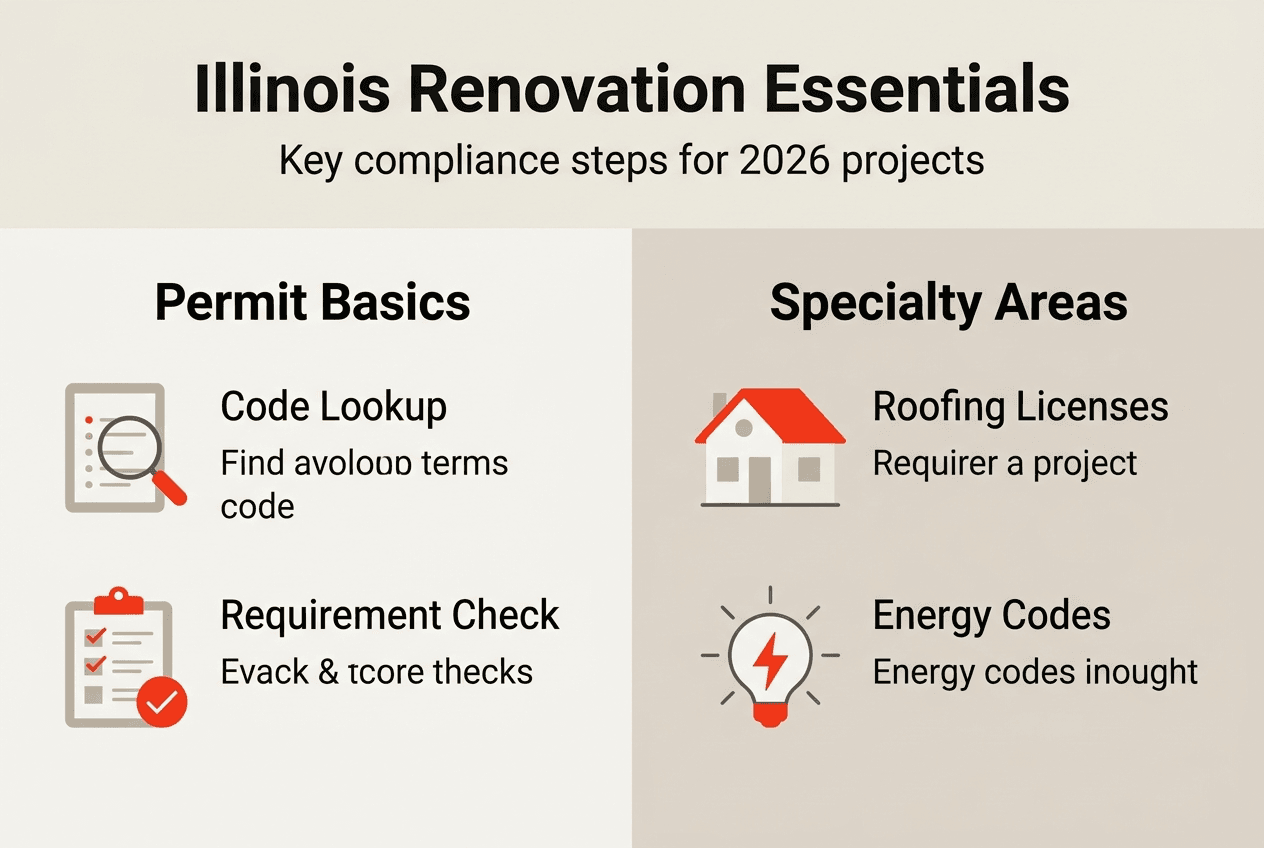
Illinois established a comprehensive regulatory framework for renovations when it adopted statewide building codes effective January 1, 2025, based on 2021 ICC codes including the International Building Code, International Residential Code, International Existing Building Code, and International Energy Conservation Code. This statewide adoption creates a baseline for all construction and renovation projects across Illinois, but local jurisdictions retain authority to enforce stricter amendments tailored to regional needs.
The codes cover both commercial and residential structures, addressing everything from structural integrity and fire safety to plumbing systems and energy performance. For property owners planning renovations, this means understanding both the statewide baseline and any local amendments that may apply in your city or county. Chicago, for example, maintains notably stricter standards than many other Illinois municipalities, requiring additional scrutiny during project planning.
Permits are required for most renovation work, especially projects involving structural changes, plumbing alterations, electrical upgrades, or roofing replacements. Even seemingly minor changes can trigger permit requirements if they affect building systems or safety. Skipping the permit process exposes you to fines, project delays, and potential liability if issues arise later. Your commercial remodeling guide should always begin with a permit assessment.
Before starting any renovation, consult your local building department or city permitting office. Each jurisdiction maintains specific procedures, fee structures, and inspection schedules. Some municipalities offer online permit applications and digital plan review, while others require in-person submissions. Understanding these requirements upfront prevents costly mid-project surprises and ensures your renovation proceeds on schedule.
Pro Tip: Request a pre-application meeting with your local building official to discuss project scope and permit requirements before finalizing renovation plans. This proactive step identifies potential code issues early and streamlines the approval process.
Plumbing, roofing, and asbestos: compliance essentials
Three renovation specialties demand particular attention in Illinois due to strict licensing and permit requirements: plumbing, roofing, and asbestos handling. Each carries specific legal obligations that property owners must understand before work begins.
Plumbing alterations during renovations require licensed plumbers and permits for any work beyond like-for-like repairs. If you’re relocating a fixture more than six inches from its original position, installing new fixtures, or modifying drain-waste-vent lines, you must obtain a plumbing permit and hire a licensed professional. This requirement protects water quality, prevents sewage backups, and ensures proper venting for safe operation.
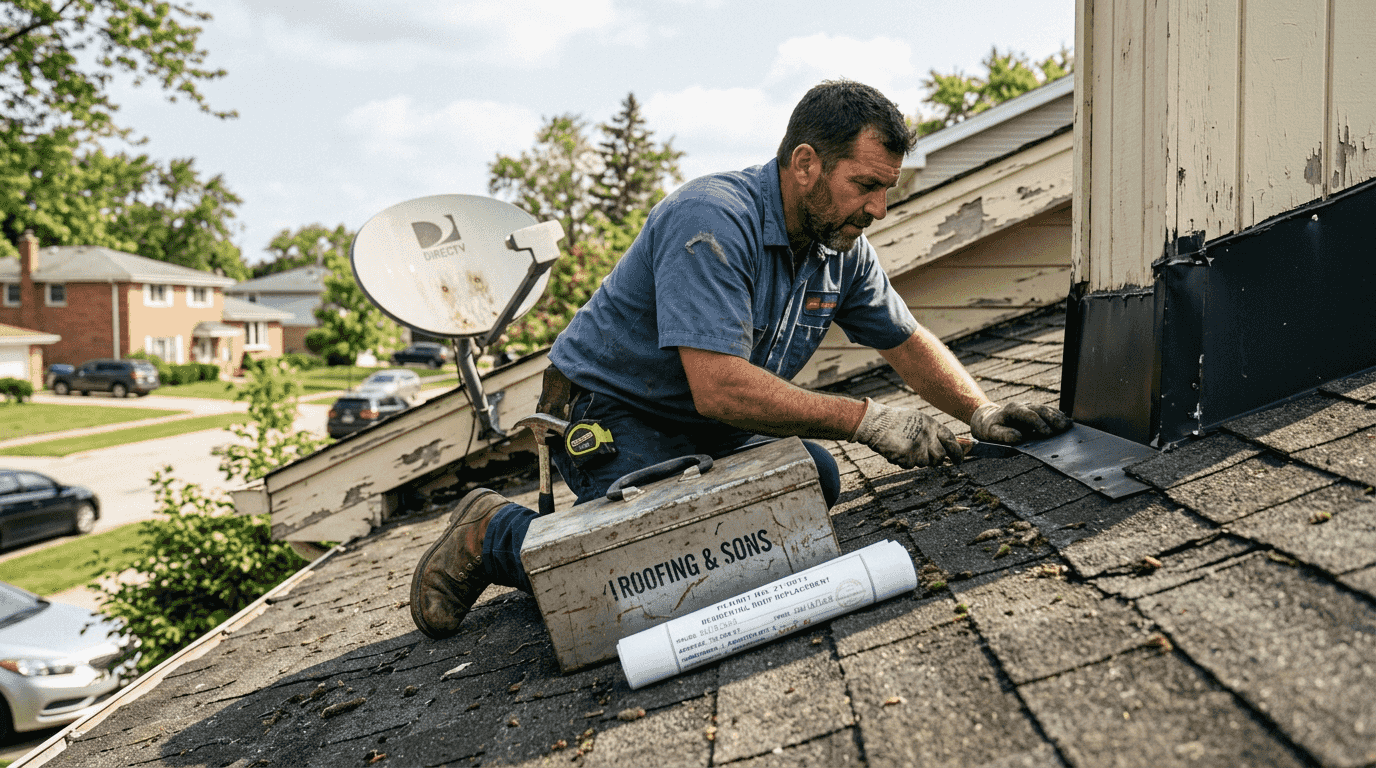
Roofing work in Illinois requires licensed contractors for all projects, with commercial and industrial work demanding unlimited licenses rather than limited residential licenses. This licensing structure ensures contractors possess adequate insurance, technical knowledge, and financial stability to complete projects safely. Unlicensed roofing work voids warranties, creates liability exposure, and may violate local ordinances.
Asbestos regulations apply to residential buildings with four or more units and all commercial properties. When renovation work will disturb asbestos-containing materials, notification and licensed handling become mandatory. Even small disturbances can release harmful fibers, so proper evaluation, containment, and removal by certified professionals protects occupant health and prevents environmental violations.
Verifying contractor licenses before signing agreements is essential. Illinois maintains online databases where you can confirm active licenses, check complaint histories, and verify insurance coverage. This due diligence protects your investment and ensures work meets legal standards. For Illinois bathroom renovation tips, always prioritize licensed professionals over unlicensed alternatives.
The following table compares permit triggers across these three critical renovation specialties:
| Specialty | Permit Required When | Licensed Professional Required |
|---|---|---|
| Plumbing | Fixture relocation over 6 inches, new fixtures, DWV modifications | Yes, licensed plumber |
| Roofing | All roofing work, residential and commercial | Yes, licensed contractor (unlimited for commercial) |
| Asbestos | Disturbance of asbestos-containing materials in 4+ unit or commercial buildings | Yes, certified asbestos professional |
Pro Tip: Request copies of all permits and inspection reports from your contractor. These documents prove code compliance and become valuable records if you sell your property or face insurance claims.
Understanding professional contractors benefits extends beyond legal compliance. Licensed professionals bring expertise, proper tools, and warranty protection that DIY or unlicensed work cannot match.
Energy efficiency and legal contract requirements for Illinois renovations
Illinois takes energy conservation seriously, mandating codes based on the 2021 and 2024 IECC editions that encourage deep retrofits capable of delivering 30-75% energy savings through integrated improvements. These codes push property owners toward comprehensive upgrades rather than piecemeal fixes, recognizing that holistic approaches yield the greatest environmental and financial benefits.
Deep energy retrofits combine multiple strategies to transform building performance. Insulation upgrades reduce heat transfer through walls, attics, and foundations. Air sealing eliminates drafts and moisture infiltration. High-efficiency HVAC systems deliver heating and cooling with minimal energy waste. Energy-efficient windows prevent thermal loss while maximizing natural light. When implemented together, these measures can cut utility bills dramatically while improving comfort and indoor air quality.
ComEd and Ameren Illinois offer incentive programs that partially offset deep retrofit costs, making energy upgrades more financially accessible. These utilities recognize that reducing demand through efficiency improvements benefits the entire grid. Property owners should explore available rebates and financing options before finalizing renovation budgets, as incentives can significantly improve project economics.
Beyond energy codes, Illinois law protects homeowners through the Home Repairs & Remodeling Act, which requires written contracts over $1,000 along with consumer rights brochures explaining legal protections. This legislation ensures property owners understand their rights before committing to renovation projects, creating transparency in an industry where disputes can arise over scope, quality, and payment terms.
Written contracts must include specific elements: detailed scope of work, materials specifications, payment schedule, project timeline, and warranty terms. Verbal agreements lack enforceability and leave both parties vulnerable to misunderstandings. The consumer rights brochure, provided by the Illinois Attorney General’s office, explains your cancellation rights, lien protections, and dispute resolution options.
Homeowners enjoy a three-day cancellation period after signing renovation contracts, allowing time to reconsider terms or obtain second opinions without penalty. This cooling-off period protects against high-pressure sales tactics and ensures you make informed decisions. To exercise this right, deliver written cancellation notice to the contractor within three business days of signing.
For comprehensive protection, review Illinois renovation contracts carefully before signing. Look for clear language, reasonable payment terms, and specific completion dates. Avoid contracts with large upfront deposits or vague scope descriptions.
Pro Tip: Never pay the full contract amount before work is complete and inspected. A reasonable payment schedule ties payments to project milestones, protecting your leverage if quality issues arise.
Energy efficiency requirements and contract protections work together to ensure Illinois renovations deliver lasting value. Understanding both aspects positions you for successful projects that meet legal standards while maximizing return on investment. Your renovation quality inspection should verify both code compliance and contract fulfillment.
Managing complex renovations: older properties, local amendments, and phased approaches
Renovating older Illinois properties introduces additional complexity requiring careful navigation. Lead paint evaluation becomes mandatory for homes built before 1978, as disturbing lead-based paint during renovation creates serious health hazards, particularly for children and pregnant women. Older Illinois properties require lead paint evaluation before work begins, with certified professionals conducting risk assessments and implementing containment measures during construction.
Chicago enforces stricter local amendments than statewide codes, reflecting the city’s dense urban environment and older building stock. These amendments address fire safety in multi-unit buildings, structural requirements for high-rises, and preservation standards in historic districts. Property owners planning Chicago renovations must consult city-specific codes rather than relying solely on statewide standards. This extra layer of regulation protects public safety but requires additional due diligence during project planning.
Phased retrofit approaches suit occupied properties where full-scale renovation would disrupt daily operations or residential life. Rather than gutting entire buildings at once, phased projects tackle one system or area at a time, allowing continued occupancy while gradually improving performance. This strategy works well for commercial buildings that cannot close for extended periods or residential properties where owners need to remain in place during upgrades.
However, substantial improvements trigger full code compliance requirements even in phased projects. If your renovation exceeds 50% of the building’s assessed value or involves major structural changes, you must bring the entire structure up to current codes, not just the areas under renovation. This threshold prevents incremental upgrades from circumventing modern safety standards while still allowing minor improvements without excessive cost.
The following table compares phased versus comprehensive retrofit approaches:
| Approach | Advantages | Disadvantages | Best For |
|---|---|---|---|
| Phased Retrofit | Minimizes disruption, spreads costs over time, allows occupancy | Longer overall timeline, potential for repeated mobilization costs | Occupied buildings, budget-constrained projects |
| Comprehensive Retrofit | Faster completion, economies of scale, coordinated systems optimization | Requires full vacancy, higher upfront costs, greater disruption | Vacant properties, new acquisitions, deep energy retrofits |
Choosing between phased and comprehensive approaches depends on your property’s condition, occupancy status, budget constraints, and performance goals. Illinois contractor licensing benefits include expertise in navigating these decisions, helping you select the strategy that maximizes value while meeting code requirements.
For detailed project planning, consult your interior renovation guide to understand how different approaches affect timelines, budgets, and outcomes. Experienced contractors can model both scenarios, showing you the cost and performance implications of each strategy.
Pro Tip: Document existing conditions with photos and detailed notes before renovation begins. This record protects you if disputes arise about pre-existing damage versus construction-related issues, and helps contractors accurately assess scope.
Navigating older properties, local amendments, and phased approaches requires professional guidance and thorough planning. The complexity of Illinois renovation standards rewards property owners who invest time in understanding requirements and selecting qualified professionals to execute their vision.
Enhance your Illinois renovation with expert guidance
Navigating Illinois renovation standards requires expertise, attention to detail, and comprehensive knowledge of statewide codes, local amendments, and trade-specific requirements. First Solution IL brings professional remodeling services tailored to Illinois regulations, ensuring your project meets all compliance standards while delivering exceptional quality and craftsmanship. Our team guides you through every phase, from initial planning and permit applications through final inspections and warranty support.

Whether you’re planning residential upgrades or commercial renovations, our interior renovation step by step guide walks you through the process with clarity and confidence. We understand that successful renovations balance regulatory compliance, budget management, and design vision. Our commercial remodeling workflow ensures smooth project execution with minimal disruption to your operations. For accurate budget planning, explore our renovation estimates Illinois homeowners resource to understand cost factors and make informed investment decisions.
Frequently asked questions
What building codes apply to property renovations in Illinois?
Illinois adopted statewide building codes effective January 1, 2025, based on 2021 ICC standards including the International Building Code, International Residential Code, International Existing Building Code, and International Energy Conservation Code. Local jurisdictions may enforce stricter amendments, particularly in cities like Chicago. Property owners must consult both statewide codes and local ordinances to ensure full compliance. Permits are typically required for structural, plumbing, electrical, and roofing work.
When is a permit required for plumbing or roofing work during a renovation?
Plumbing permits are required when work extends beyond like-for-like repairs, such as relocating fixtures more than six inches, installing new fixtures, or modifying drain-waste-vent lines. Roofing work always requires permits and licensed contractors, with commercial projects demanding unlimited licenses rather than limited residential licenses. Skipping permits exposes property owners to fines, liability, and potential complications during property sales. For bathroom projects, review Illinois bathroom renovation tips to understand permit triggers.
How do energy efficiency requirements impact renovation projects in Illinois?
Illinois enforces energy conservation codes based on 2021 and 2024 IECC editions, encouraging deep retrofits that achieve 30-75% energy savings through integrated improvements. These retrofits combine insulation upgrades, air sealing, high-efficiency HVAC systems, and energy-efficient windows to transform building performance. ComEd and Ameren Illinois offer incentive programs that partially offset retrofit costs, making comprehensive upgrades more financially accessible. Substantial improvements may trigger full code compliance requirements, bringing entire buildings up to current energy standards. Verify compliance through renovation quality inspection processes.
What legal protections do Illinois homeowners have when signing renovation contracts?
The Illinois Home Repairs & Remodeling Act requires written contracts for projects exceeding $1,000, accompanied by consumer rights brochures explaining legal protections. Homeowners enjoy a three-day cancellation period after signing, allowing time to reconsider terms without penalty. Written contracts must include detailed scope of work, materials specifications, payment schedules, project timelines, and warranty terms. This legislation protects against high-pressure sales tactics and ensures transparency in contractor relationships. Review Illinois renovation contracts carefully before committing to ensure all required elements are present and terms are reasonable.