

Renovating a commercial property in Illinois means balancing tenant satisfaction, strict budgets, and seasonal challenges that can disrupt progress just as winter arrives. Clear communication among stakeholders, including tenants and building management, shapes project goals and keeps everyone invested. When you focus on efficient remodeling workflows, you minimize disruption and maximize asset value. This guide walks you through proven steps—from setting objectives to final walkthroughs—for smoother, more profitable renovations.
Table of Contents
- Step 1: Assess Project Requirements And Set Objectives
- Step 2: Develop Detailed Plans And Secure Permits
- Step 3: Coordinate Contractors And Schedule Execution
- Step 4: Monitor Progress And Quality Standards
- Step 5: Finalize Project And Conduct Client Walkthrough
Quick Summary
| Key Takeaway | Explanation |
|---|---|
| 1. Define Clear Project Objectives | Establish specific, measurable goals to guide your renovation project and avoid misunderstandings or scope creep later on. |
| 2. Secure Necessary Permits Early | Obtain all required permits before starting construction to prevent legal issues that could halt progress or incur fines. |
| 3. Maintain Clear Communication | Establish a single point of contact for decision-making and utilize digital tools to coordinate contractors effectively, minimizing delays. |
| 4. Regularly Monitor Progress and Quality | Conduct site visits and create a quality management plan to track work quality and adherence to deadlines, addressing issues promptly. |
| 5. Conduct a Thorough Final Walkthrough | Schedule a comprehensive walkthrough with stakeholders to ensure satisfaction and address any unresolved issues before handing over the space. |
Step 1: Assess Project Requirements and Set Objectives
This step is where your entire renovation gains focus. Before contractors swing hammers or order materials, you need a crystal-clear picture of what you’re trying to achieve and why it matters to your business.
Start by gathering your key stakeholders—building management, tenant representatives, financial decision-makers, whoever has skin in the game. Meeting with stakeholders to outline renovation goals like creating functional spaces, upgrading aesthetics, or improving energy efficiency sets the tone for everything that follows.
Ask yourself these specific questions:
- What problem are you solving with this renovation?
- How will this change benefit your tenants or your bottom line?
- Are you prioritizing tenant retention, asset value, operational efficiency, or all three?
- What’s your realistic budget range, and where can you be flexible?
- What’s your timeline, and are there business considerations that affect it?
Once you’ve identified your goals, document them clearly. Vague objectives lead to scope creep, budget overruns, and frustrated tenants. “Make the space nicer” won’t cut it. Instead, write something like “Upgrade the lobby to reduce tenant complaints by 40% and increase lease renewal rates.”
Next, establish realistic constraints. Talk openly about budget limits, occupancy during construction, seasonal timing, and any building-specific challenges. Illinois weather matters—winter renovations add cost and complexity. If tenants occupy the space, construction timelines become non-negotiable.
Clear objectives and honest constraint discussions prevent costly changes later in the project.
Finally, create a quick reference document that captures your goals, budget, timeline, and key constraints. This becomes your north star when decisions get tough.
Here’s a quick reference on how project objectives and constraints impact renovation outcomes:
| Factor | Example | Impact on Project | Outcome if Ignored |
|---|---|---|---|
| Objective | Reduce energy costs | Guides design focus | Missed efficiency upgrades |
| Constraint | Winter construction | Alters scheduling | Budget overruns |
| Stakeholder input | Tenant needs | Shapes priorities | Tenant dissatisfaction |
| Documentation | Clear reference sheet | Aids decision-making | Scope creep |
Pro tip: Write your project objectives in measurable terms (“reduce energy costs by 25%” or “complete by Q3”) rather than vague goals—this makes it far easier to evaluate whether the renovation succeeded when it’s finished.
Step 2: Develop Detailed Plans and Secure Permits
Your goals are set. Now comes the work that prevents costly mistakes and legal headaches—creating detailed plans and securing the necessary permits. This is where vision becomes actionable documents.
Start by hiring qualified architects or design professionals who understand commercial spaces in Illinois. They’ll translate your objectives into floor plans, electrical layouts, structural considerations, and material specifications. These aren’t just pretty drawings—they’re the blueprints contractors use to bid accurately and execute properly.
Your design plans should address:
- Layout changes and space reconfiguration
- Mechanical, electrical, and plumbing systems
- Fire safety and code compliance requirements
- Accessibility standards under the Americans with Disabilities Act
- Material selections and finishes
- Timeline and phasing for occupied spaces
Once your plans are complete, secure all required permits. Illinois municipalities require permits for construction, electrical work, plumbing, HVAC modifications, and structural changes. Missing a permit isn’t a shortcut—it’s a liability that can halt your project, result in fines, or create issues when selling or refinancing.
Contact your local building department early. Submit complete applications with architectural drawings, engineer certifications, and proof of liability insurance. Processing times vary, but budget 2-4 weeks for standard permits in most Illinois jurisdictions.
Detailed plans and proper permits protect your investment and keep the project moving forward without surprises.
Coordinate with your design team and contractor to ensure all plans align. Conflicting electrical plans or structural assumptions cause expensive rework. Before construction starts, conduct a final plan review with all parties present.
Pro tip: Obtain permits before signing contracts with contractors—some will refuse to start work without documented permit approval, and it protects you from liability if inspections reveal code violations.
Step 3: Coordinate Contractors and Schedule Execution
You’ve hired your team. Now comes the orchestration that separates smooth renovations from chaotic ones. Coordination is where good plans become reality, and poor coordination turns timelines into fiction.
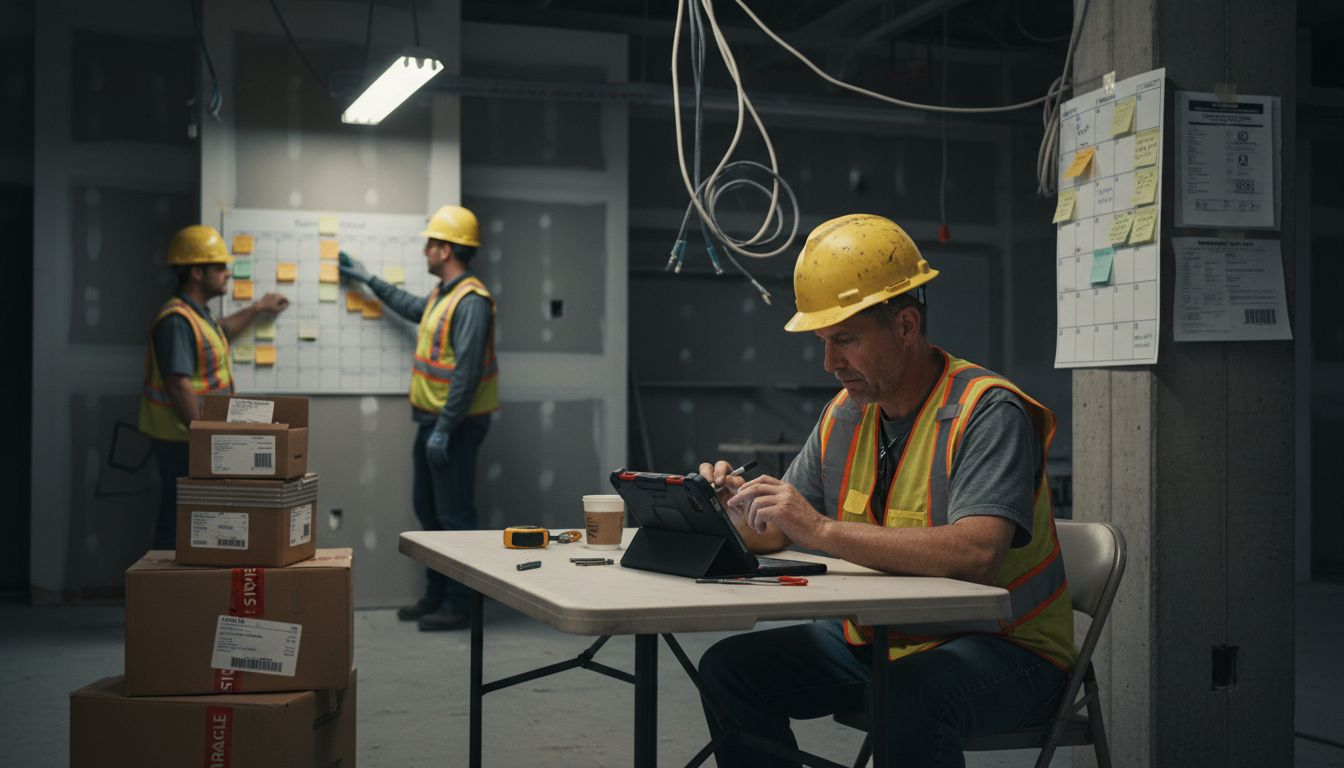
Start by establishing clear communication channels. Everyone—general contractor, electricians, plumbers, HVAC specialists, flooring crews—needs to know who’s responsible for what and when. Create a single point of contact for decisions. Assign a project manager or designate your contractor as the coordinator. Too many cooks in the decision-making kitchen causes delays.
Define roles and responsibilities explicitly:
- General contractor oversees site safety, scheduling, and quality control
- Subcontractors execute specific trades according to schedule
- Your property manager monitors progress and addresses tenant concerns
- Suppliers ensure materials arrive on time
- Building inspectors verify code compliance at key checkpoints
Next, implement digital scheduling tools for real-time coordination. These platforms provide shared access to timelines, instant updates on task assignments by zone, and progress tracking that prevents conflicts. Everyone works from the same current information, not outdated emails or texts.
Hold regular coordination meetings. Weekly or biweekly check-ins catch problems before they cascade. Review completed work, discuss next week’s tasks, address supply chain issues, and align subcontractor schedules. A 30-minute meeting prevents days of rework.
For better decisions, compare scheduling coordination methods during renovation:
| Scheduling Method | Communication Speed | Transparency | Risk of Delays |
|---|---|---|---|
| Digital platform | Instant updates | High | Low |
| Email/text chains | Slow/fragmented | Low | High |
| Weekly meetings | Moderate | Medium | Medium |
Precise scheduling and clear communication channels keep diverse teams aligned and eliminate costly delays.
When selecting your contractor, understanding how to choose a general contractor with strong coordination experience matters tremendously. They’re the conductor of your renovation orchestra.
Pro tip: Create a shared project calendar visible to all contractors showing material deliveries, inspections, and zone-by-zone work phases—this single source of truth prevents scheduling conflicts that halt progress.
Step 4: Monitor Progress and Quality Standards
Construction is happening. Materials are flowing in, crews are working, and timelines are advancing. Without active monitoring, you won’t know if quality is slipping or deadlines are drifting until it’s too late to fix affordably.
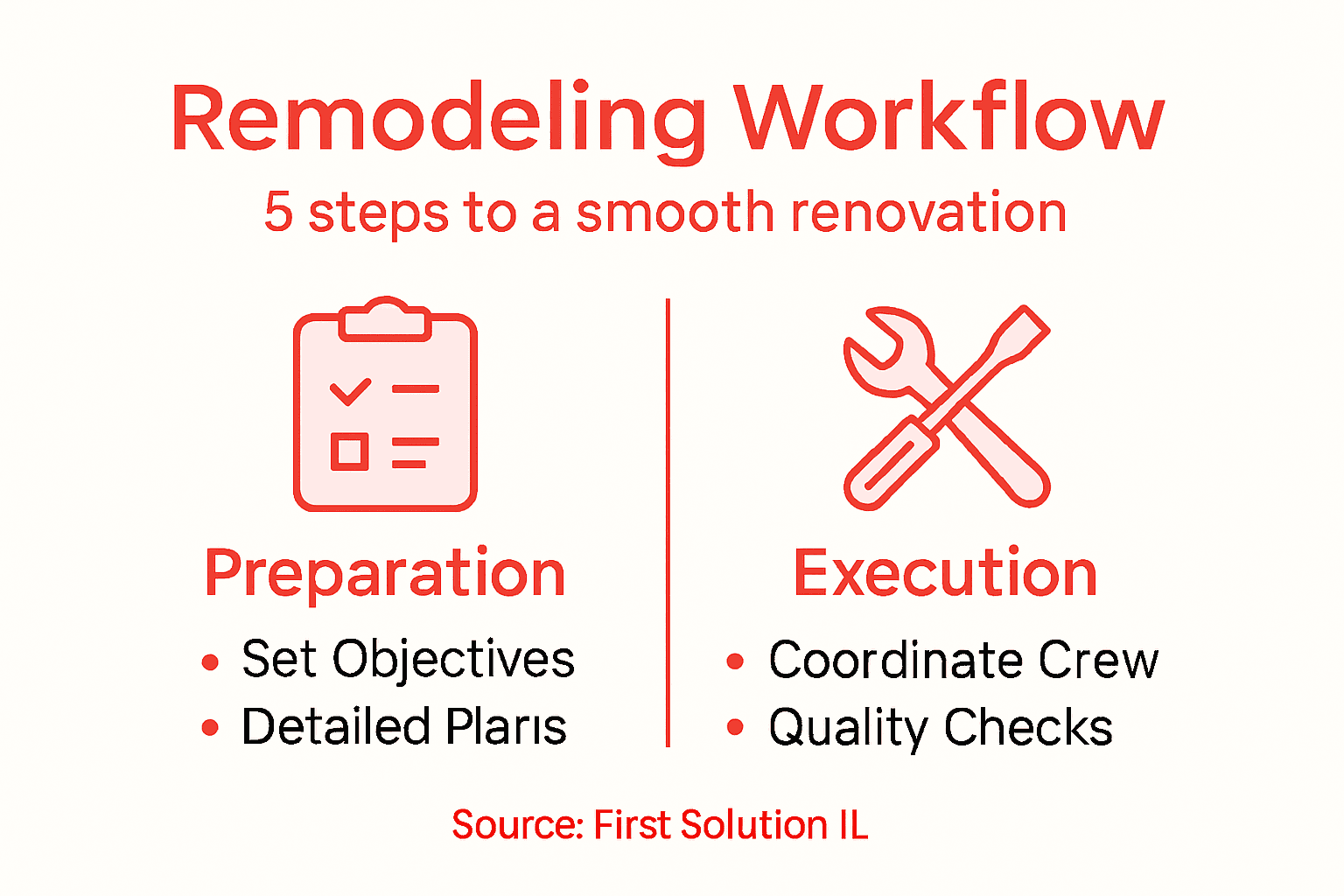
Schedule regular site visits to witness the work firsthand. Walk the space weekly, observe workmanship, check material quality, and compare progress against your schedule. You’ll spot issues contractors might miss or downplay. Take photos and notes—they document the project state and protect you if disputes arise.
Implement systematic construction monitoring throughout the project. Track work quality, timeline adherence, and budget compliance using dashboards or progress reports. Regular reporting identifies delays or quality issues early, allowing timely interventions before small problems become expensive rework.
Use a structured inspection process:
- Review completed work daily or weekly against specifications
- Verify materials match approved selections and samples
- Check workmanship for defects, alignment, and finishing standards
- Confirm code compliance before moving to next phases
- Document findings with photos and written notes
Develop a quality management plan that outlines your standards upfront. Quality assurance processes maintain standards and regulatory compliance from design through completion. Train crews on your expectations. Perform inspections and audits consistently. When defects appear, address them immediately rather than hoping they’ll pass final inspection.
Hold progress meetings with contractors to review completed work, discuss upcoming phases, and address quality concerns before they compound. A 15-minute conversation beats weeks of rework.
Early detection of quality issues and schedule slippage prevents costly corrections and keeps tenant satisfaction high.
For Illinois projects with occupied tenants, monitoring also means tracking noise, dust, and disruption complaints. Quality extends beyond construction—it includes the tenant experience.
Pro tip: Create a simple punch list throughout construction documenting minor defects and incomplete items, rather than discovering a massive list at the end when contractors have already moved to new jobs.
Step 5: Finalize Project and Conduct Client Walkthrough
Construction is complete. The last crew has packed up, punch list items are resolved, and your renovation nears its official end. Before you declare victory, conduct a thorough final walkthrough with your tenants or stakeholders. This step closes the loop and confirms everyone’s satisfied.
Schedule the walkthrough when the space is clean and ready for occupancy. Bring your contractor, relevant subcontractors, and key decision-makers. Walk every area systematically, comparing finished work against your original specifications and design plans. Look at paint, flooring, fixtures, lighting, and systems installations.
Verify remaining punch list items during the final walkthrough and address any concerns before officially handing over the space. This ensures clients are satisfied and confirms completion against specifications. Document everything with photos and written notes.
Cover these critical items during your walkthrough:
- All finishes, colors, and materials match approved selections
- Systems operate correctly (HVAC, electrical, plumbing, doors, windows)
- Lighting functions properly in all zones
- No visible defects, gaps, or incomplete work remain
- Cleanliness meets expectations
- All safety features are operational
Demonstrate how to operate new systems and equipment. Show tenants how to adjust thermostats, use new fixtures, operate doors, or control specialty equipment. Leave behind clear instructions or user manuals.
Hand over all required documentation and materials including system manuals, warranty information, maintenance schedules, spare materials, keys, and access codes. Tenants need to understand maintenance responsibilities going forward.
A thorough final walkthrough with clear documentation prevents misunderstandings and creates a positive ending to the renovation experience.
Address any last-minute concerns or questions before tenants fully occupy the space. This is your chance to resolve issues affordably rather than months later when contractors have moved on.
Pro tip: Create a simple handover packet with photos of the completed space, a list of all systems with contact info for service providers, and warranty details—this becomes invaluable when tenants need maintenance months later.
Achieve Flawless Commercial Renovations with Expert Guidance
Successfully navigating the complex process of commercial remodeling means overcoming challenges like setting clear objectives, coordinating skilled contractors, and maintaining strict quality standards. This article highlights key pain points such as avoiding budget overruns, ensuring timely permit approvals, and managing day-to-day construction communication effectively. If you want to eliminate confusion and costly delays during your next commercial renovation, partnering with professionals who understand these critical workflows is essential.
First Solution IL specializes in delivering seamless commercial remodeling projects across Illinois. From detailed planning and permit coordination to expert contractor management and final walkthroughs, we ensure your vision becomes reality without sacrificing quality or timeline. Our comprehensive services include interior and exterior remodeling, flooring installation, door replacement, and more — all executed with precision and care. Explore how our team turns renovation challenges into smooth, successful transformations.
Ready to elevate your commercial space with a trusted local contractor who prioritizes your goals and tenant satisfaction? Start by visiting First Solution IL to learn more about our commercial renovation expertise and schedule your free consultation today.

Transform your renovation experience now with a partner dedicated to clear communication, quality craftsmanship, and detailed project management. Contact us through First Solution IL and take the first step toward a stress-free commercial remodel.
Frequently Asked Questions
What are the initial steps in the commercial remodeling workflow?
Starting with a thorough assessment of project requirements and setting clear objectives is crucial. Gather key stakeholders to define goals like improving energy efficiency or enhancing aesthetics, then document these objectives to establish a roadmap for the renovation.
How can I ensure my remodeling project stays on budget?
To maintain budget control, establish realistic financial constraints and communicate them openly with contractors and stakeholders. Review the budget regularly and be flexible with non-essential costs to accommodate any unexpected expenses that may arise during the renovation.
What should I include in my final walkthrough after the renovation?
During the final walkthrough, verify that all finishes match approved selections and that systems, such as HVAC and plumbing, operate correctly. Document any remaining punch list items and provide clear instructions on using new systems to ensure tenant satisfaction and smooth transition into the renovated space.
How often should I conduct site visits during construction?
Conduct site visits weekly to monitor progress and quality standards. Regular inspections allow you to catch any issues early, preventing costly rework and ensuring that the project stays on schedule.
What tools can help coordinate multiple contractors during a renovation?
Digital project management tools can facilitate real-time coordination among contractors. Implement a shared calendar and task assignment platform to keep everyone informed on timelines and responsibilities, reducing the likelihood of scheduling conflicts.
How do I secure the necessary permits for my remodeling project?
Contact your local building department early in the planning process to submit complete applications for all necessary permits. Prepare architectural drawings and proof of insurance to ensure a smoother permit approval process, typically taking 2-4 weeks.