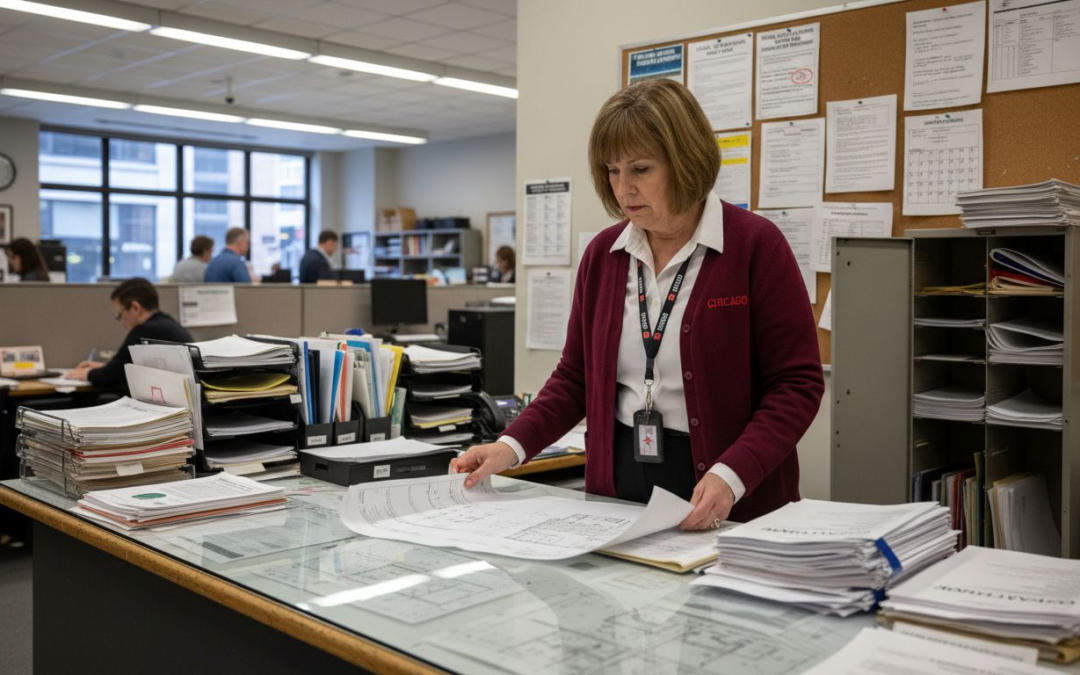
Starting a major renovation project in Illinois can quickly become complicated without the right paperwork in place. For commercial property owners, permits are much more than an added step—they are your proof that every aspect of the construction meets strict building codes and local regulations. Understanding the role of official authorization helps you avoid costly delays, unexpected legal issues, and protects your property’s value as your project moves forward.
Table of Contents
- What Commercial Renovation Permits Involve
- Permit Types for Commercial Projects in Illinois
- Steps for Applying and Securing Approval
- Legal Codes and Compliance Requirements
- Common Pitfalls and Permit-Related Costs
Key Takeaways
| Point | Details |
|---|---|
| Permit Necessity | Commercial renovation permits are crucial for legal compliance, safeguarding both public welfare and property value. |
| Types of Permits | Various permits, including building, electrical, plumbing, and environmental, are required for different renovation aspects. |
| Inspection Importance | Inspections at multiple project stages ensure adherence to building codes; non-compliance can halt projects. |
| Financial Risks | Skipping permits can lead to significant legal and financial liabilities, including fines and complications during property transactions. |
What Commercial Renovation Permits Involve
A permit is official authorization from a governmental body that allows your commercial renovation to proceed legally. Think of it as a formal approval that your project meets building codes, zoning laws, and safety standards. These permits exist to protect both public welfare and your investment.
Commercial renovation permits cover multiple types of work and inspections. When you apply, you’re essentially agreeing to have your project reviewed and inspected by local authorities to ensure compliance. Building permits ensure commercial projects meet minimum safety standards and structural requirements throughout construction.
Types of Permits You’ll Encounter
Different aspects of your renovation require different permits:
- Building permits verify structural integrity and overall project compliance
- Electrical permits ensure all wiring, panels, and systems meet code requirements
- Plumbing permits cover water systems, drainage, and fixture installation
- Environmental permits address potential environmental impacts
- Specialty permits may include signage, mechanical systems, or fire suppression
Each permit type has its own approval process and inspection timeline.
What Gets Inspected
Inspectors review specific elements depending on the permit type. They’re checking that your project doesn’t introduce hazards like electrical fires or structural failures. Your contractor must coordinate with inspectors at designated stages—foundation, framing, rough-in, and final completion.
These inspections verify that work meets current Illinois building codes. Inspectors have authority to stop work if they find code violations. Your project receives legal documentation proving compliance once all inspections pass.
Why This Matters for Your Property Value
Permits create an official paper trail. When you eventually sell or refinance your commercial property, buyers and lenders want proof that major work was done legally. Unpermitted renovations can create serious problems during these transactions.
Proper permits also protect you from liability. If someone gets injured due to faulty electrical work or structural issues, unpermitted work leaves you exposed legally and financially.
Key Projects That Require Permits
You’ll definitely need permits for:
- Major structural changes or wall removal
- Significant electrical or plumbing alterations
- HVAC system additions or modifications
- Interior layout changes affecting building systems
- Exterior modifications or additions
- Roof work or structural repairs
Skipping permits might seem faster, but it creates legal and financial liability that far outweighs any time saved.
Understanding what permits involve helps you plan realistic timelines and budgets. Your renovation project isn’t just about construction—it’s about building the correct legal foundation for your commercial space.
Pro tip: Connect with your contractor early to identify all required permits for your specific project type; this prevents costly delays when inspectors discover work that should have been permitted.
Permit Types for Commercial Projects in Illinois
Illinois requires different permits depending on what type of work you’re doing. Each permit targets specific building systems and ensures compliance with state and local codes. Understanding which permits apply to your project prevents delays and keeps you on the right side of the law.
Building and Structural Permits
The foundation of most commercial renovation projects starts with a building permit. This covers any construction, enlargement, alteration, repair, demolition, or occupancy changes to your commercial space. If you’re removing walls, adding square footage, or significantly reconfiguring your layout, you’ll need this permit.
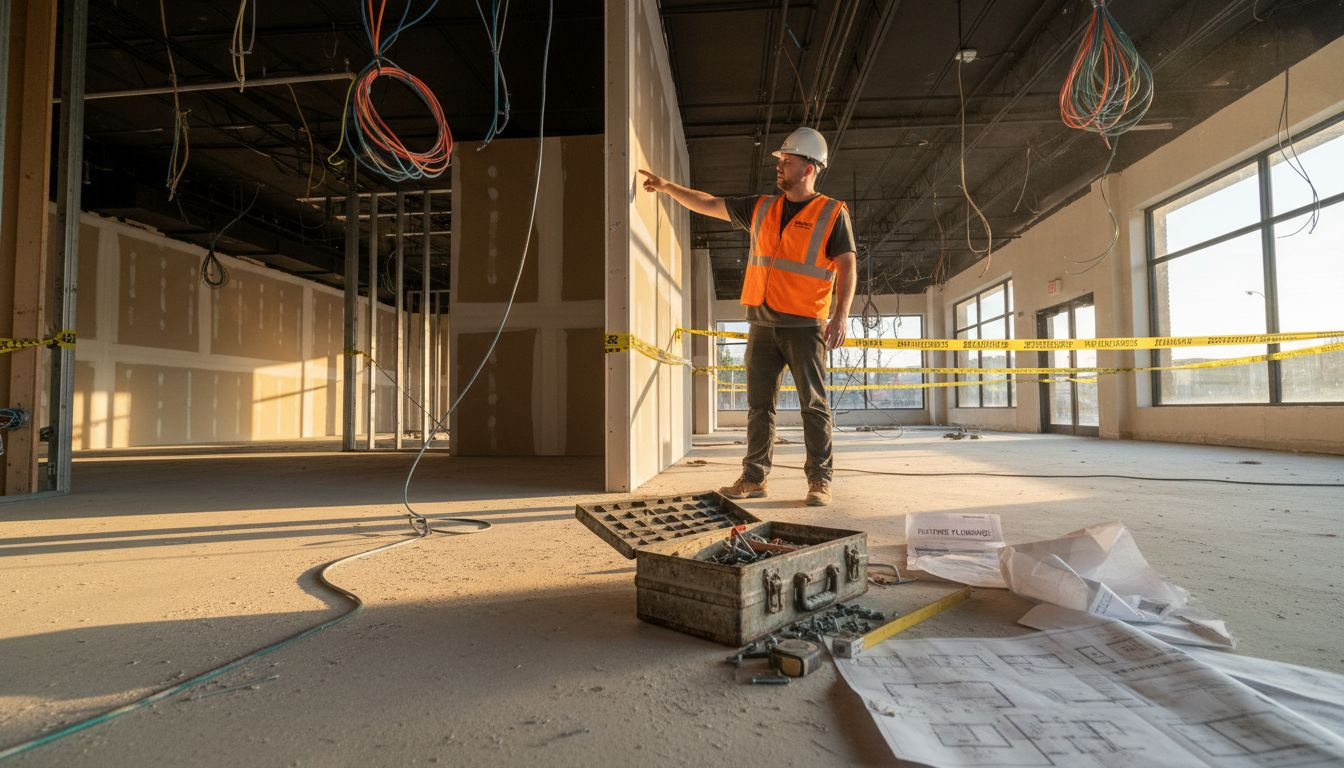
Building permits require detailed plan submissions showing exactly what you’re changing. Inspectors review these plans before work begins and conduct multiple inspections throughout the project.
Systems-Specific Permits
Beyond the main building permit, electrical, gas, mechanical, or plumbing system works each require dedicated permits:
- Electrical permits cover all wiring, panel upgrades, lighting installations, and power distribution
- Mechanical permits handle HVAC systems, ventilation, and air quality modifications
- Plumbing permits address water systems, drainage, fixtures, and fire suppression connections
- Gas permits regulate any natural gas line work or appliance installations
These permits ensure each system meets current building codes and safety standards.
Here’s a quick reference summarizing commercial permit types and their most impactful benefits:
| Permit Type | Primary Focus | Direct Benefit to Owner |
|---|---|---|
| Building | Structural safety and layout | Protects property value, resale |
| Electrical | Safe power systems | Prevents hazards, ensures reliability |
| Plumbing | Water systems, drainage | Reduces leaks, liability risk |
| Mechanical | HVAC and ventilation | Improves comfort, air quality |
| Environmental | Impact on surroundings | Avoids regulatory fines |
| Specialty (Signage, etc.) | Unique functional additions | Supports business operations |
Specialized Permits for Unique Projects
Certain commercial renovations require additional permits based on project specifics. Racking permits may be necessary for high shelving installations, especially if your property is in a seismic zone. Heavy equipment or storage racks need structural verification.
Conditional Use Permits apply when your renovation changes how the space functions in ways that affect zoning. If you’re converting office space to retail or adding new business activities, this permit may be required.
Building Safety Service Areas Matter
Illinois distinguishes between commercial projects inside and outside designated Building Safety Service Areas (BSSA). This affects which specific permit codes apply and which inspecting authorities oversee your project. Your location in Illinois determines which agencies regulate your renovation.
Each permit type requires different inspections at different construction stages, so your timeline and budget depend on how many permits you need.
The good news: your contractor should handle coordinating these permits. They’ll know which ones apply to your specific project and manage the inspection schedule.
Pro tip: Request a complete permit checklist from your contractor before work begins, as missing even one required permit can halt construction and create costly delays.
Steps for Applying and Securing Approval
The permit application process follows a predictable path, though timelines vary based on project complexity. You’ll move through preparation, submission, review, and approval stages. Each step requires attention to detail, but understanding the sequence removes much of the uncertainty.
Prepare Your Detailed Project Plans
Start by developing comprehensive plans that align with local building codes and zoning laws. These aren’t rough sketches—they’re detailed architectural and engineering drawings showing every change you’re making. Plans need to include floor layouts, electrical schematics, plumbing diagrams, and structural details depending on your renovation scope.
Work with your contractor or architect to ensure plans meet all code requirements before submission. Submitting incomplete or non-compliant plans wastes weeks waiting for resubmission requests.
Submit Your Application
Once plans are ready, you’ll submit your permit application to the relevant municipal or state department. To secure commercial renovation permits, applicants must submit applications along with required documentation and fees. Different jurisdictions have different submission methods—some accept digital uploads, others require physical copies.
Pay close attention to application requirements and deadlines. Missing information triggers delays immediately.
Expect Multiple Department Reviews
Your submission goes through various reviews before approval. Here’s what happens:
- Planning department checks zoning compliance and land use issues
- Building department verifies structural and life safety code compliance
- Fire safety department reviews emergency exits and suppression systems
- Environmental department assesses any environmental impacts
- Electrical and plumbing inspectors review system designs
Each department provides feedback or approvals independently.
Respond to Corrections Promptly
The permit application process involves responding to feedback or corrections and ensuring ongoing compliance throughout reviews. If departments request changes, your architect or contractor must revise plans and resubmit. Delays here extend your overall timeline significantly.
Timelines vary considerably. Expect anywhere from a few months to over a year depending on project size and local workload.
Receive Approval and Begin Work
Once all departments approve your plans and you’ve paid all fees, you receive your permit. This official document authorizes you to begin construction work as described in your approved plans.
Don’t start any work before receiving the physical permit—inspectors can stop construction and levy fines for unpermitted work.
Your contractor must display the permit visibly on-site throughout the project.
Schedule and Prepare for Inspections
Throughout construction, periodic inspections verify adherence to your approved plans. Your contractor coordinates inspection appointments at specific project stages. Each inspection confirms compliance before moving to the next phase.
Final inspection happens when all work is complete. Only after passing final inspection can you occupy or use the renovated space legally.
Pro tip: Assign one person from your team as the permit coordinator who tracks deadlines, communicates with inspectors, and ensures your contractor stays on schedule—this single point of contact prevents miscommunication and delays.
Legal Codes and Compliance Requirements
Compliance isn’t optional—it’s the foundation of legal commercial renovations. Building codes set minimum standards for safety, structural integrity, and functionality. Zoning laws control how you can use your space. Missing either creates serious legal and financial exposure.
Understanding Building Codes
Building codes establish standards for structural integrity, fire safety, electrical wiring, plumbing, and HVAC systems. They’re updated periodically to reflect new safety research and technology. Illinois adopts the International Building Code (IBC) with state modifications, which your project must follow.
These codes aren’t suggestions. Inspectors verify compliance at each stage, and non-compliance results in failed inspections.
Key Code Categories for Renovations
Your commercial renovation must address multiple code areas:
- Structural codes verify walls, beams, and foundations support loads safely
- Fire safety codes require proper exits, suppression systems, and compartmentalization
- Electrical codes ensure wiring, panels, and circuits handle your facility’s power needs safely
- Plumbing codes regulate water supply, drainage, and fixture placement
- Mechanical codes govern HVAC systems and ventilation
- Accessibility codes require accommodations for disabled occupants
Each system must meet current code standards, not just the standards from when your building was constructed.
Zoning Compliance Matters Too
Zoning laws regulate land use, setbacks, and occupancy types to protect neighborhoods and manage development. If your renovation changes your space’s use—converting office to retail, for example—you need zoning approval. Setback requirements, parking ratios, and signage restrictions all fall under zoning.
Violating zoning laws can force you to undo your renovation work.
Inspection-Based Compliance Verification
Legal compliance in construction is governed by regulatory frameworks requiring risk-based inspections at key construction stages to ensure adherence to structural and safety standards. Inspectors aren’t there to nitpick—they’re verifying that your project protects occupants and meets environmental regulations.
Inspections happen at foundation, framing, rough-in (electrical, plumbing, HVAC), and final stages. Missing an inspection halts your project.
Consequences of Non-Compliance
Skipping permits or ignoring code requirements creates immediate problems. Here’s what can happen:
- Fines from local building departments
- Forced removal of non-compliant work at your expense
- Denial of occupancy permits—you can’t legally use the space
- Property value reduction when selling or refinancing
- Liability exposure if someone is injured
One code violation can stop your entire project and cost thousands in remediation, so compliance from the start saves time and money.
Your contractor’s experience with Illinois codes proves invaluable here. They know which codes apply to your specific project and build compliance into their planning.
Pro tip: Request your contractor’s code compliance checklist specific to your project type and location—a detailed checklist prevents surprises during inspections and keeps work moving forward.
Common Pitfalls and Permit-Related Costs
Permit mistakes cost money and delay projects. Some pitfalls are easy to avoid once you know about them. Others sneak up on you because permit costs are often underestimated from the start.
Incomplete or Inaccurate Applications
The most common mistake is submitting incomplete applications. Missing drawings, incorrect dimensions, or vague descriptions trigger automatic rejections. Your application goes back to you for revisions, costing weeks of waiting.
Double-check every detail before submission. Have your contractor or architect review everything—they catch mistakes that seem obvious in hindsight.
Misunderstanding Local Code Requirements
Local codes vary significantly across Illinois municipalities. What passes in Chicago might fail in a suburban jurisdiction. Many property owners assume their contractor knows local codes, but common mistakes when hiring contractors include not verifying their familiarity with your specific location’s requirements.
Always confirm your contractor has recent experience with permits in your municipality.
Underestimating Project Timelines
Permit timelines are unpredictable. Common pitfalls in securing permits include underestimating timeframes for approval, especially on complex projects. What should take three months might take six if inspectors identify issues or departments request revisions.
Build buffer time into your project schedule. Don’t schedule tenant move-ins or ribbon cuttings before permits are actually approved.
Multiple Permit Costs Add Up Fast
Permit-related costs vary by project scope and location. Here’s what to expect:
- Application and filing fees for each permit type
- Plan review charges from building departments
- Inspection fees at each construction stage
- Separate fees for electrical, plumbing, and mechanical trades
- Possible re-inspection fees if work fails initial inspection
Permit-related costs constitute a significant portion of renovation budgets and vary by regulatory requirements and project scope. These fees are typically calculated as a percentage of total project value—anywhere from 0.5% to 2% depending on complexity.
Below is a summary of key cost factors associated with permit management for commercial renovations:
| Permit Cost Factor | Typical Range or Impact | Budget Planning Tip |
|---|---|---|
| Application Fees | 0.5%–2% of project value | Include in early estimates |
| Plan Review Charges | $500–$2,500 per project | Budget for multiple reviews |
| Inspection Fees | $100–$750 per inspection | Plan for each project stage |
| Re-inspection Fees | Extra $100–$500 if failed | Add 15–20% contingency |
| Fines for Violations | Up to $10,000+ per incident | Never risk unpermitted work |
Costs Multiply When Problems Occur
Rejected applications or required plan revisions increase costs significantly. Each resubmission adds time and potential additional fees. Failed inspections are even worse—they force rework and re-inspection, doubling labor costs.
Unpermitted work creates the biggest cost problem. If discovered, you’ll pay fines plus the full cost of bringing work into compliance with codes. Some work might need complete removal and redo.
Budget Planning Strategy
Protect yourself by planning permit costs early:
- Get a detailed permit cost estimate from your contractor before starting
- Add 15-20% contingency for unexpected fees or revisions
- Account for extended timelines in your project schedule
- Confirm your contractor carries proper insurance and bonding
- Never authorize unpermitted work to save money
Unpermitted work risks penalties, fines, and costly remediation that far exceed any savings from skipping permits.
Proper planning prevents permit disasters. Your contractor should provide a clear breakdown of all expected permit costs and timelines before you commit to the project.
Pro tip: Request itemized permit cost breakdowns and timelines from your contractor in writing—this prevents misunderstandings and gives you concrete data to monitor actual progress against expectations.
Navigate Commercial Renovation Permits with Confidence
Securing the right commercial renovation permits in Illinois can be complex and stressful. From detailed building codes to multiple inspections for electrical plumbing and structural changes every stage demands precision to avoid costly delays and legal risks. You need a trusted partner who understands these challenges and is committed to securing full legal compliance so your project stays on schedule and budget.
At First Solution IL we specialize in commercial renovations that meet Illinois permit requirements with ease and professionalism. Our experienced team manages applications approvals and inspections making sure your renovation follows all safety codes and zoning regulations. With our dedication to quality craftsmanship and legal expertise we protect your investment and safeguard your property value.

Get peace of mind during your commercial remodel. Visit First Solution IL to schedule a free consultation. Let us handle your permit needs while you focus on transforming your space. Don’t wait until unpermitted work creates expensive setbacks — start your renovation right with expert guidance from a reliable local contractor. Ask about our proven process and detailed project planning designed to keep your permit approvals smooth and stress free.
Frequently Asked Questions
What are commercial renovation permits?
Commercial renovation permits are official authorizations from government bodies that allow you to legally conduct renovations on commercial properties. They ensure that your project adheres to building codes, zoning laws, and safety standards.
Why are permits necessary for commercial renovations?
Permits are necessary to protect public welfare and your investment. They create a legal framework ensuring that work meets minimum safety standards and structural requirements, which is essential when buying, selling, or refinancing your property.
What types of permits might I need for a renovation project?
You may need various permits including building permits, electrical permits, plumbing permits, environmental permits, and specialty permits for specific systems like HVAC or signage, depending on the scope of your project.
What could happen if I skip obtaining necessary permits?
If you skip obtaining the necessary permits, you could face serious consequences including fines, the need to undo your renovation work, denial of occupancy, and potential liability for injuries or damages resulting from unpermitted work.