
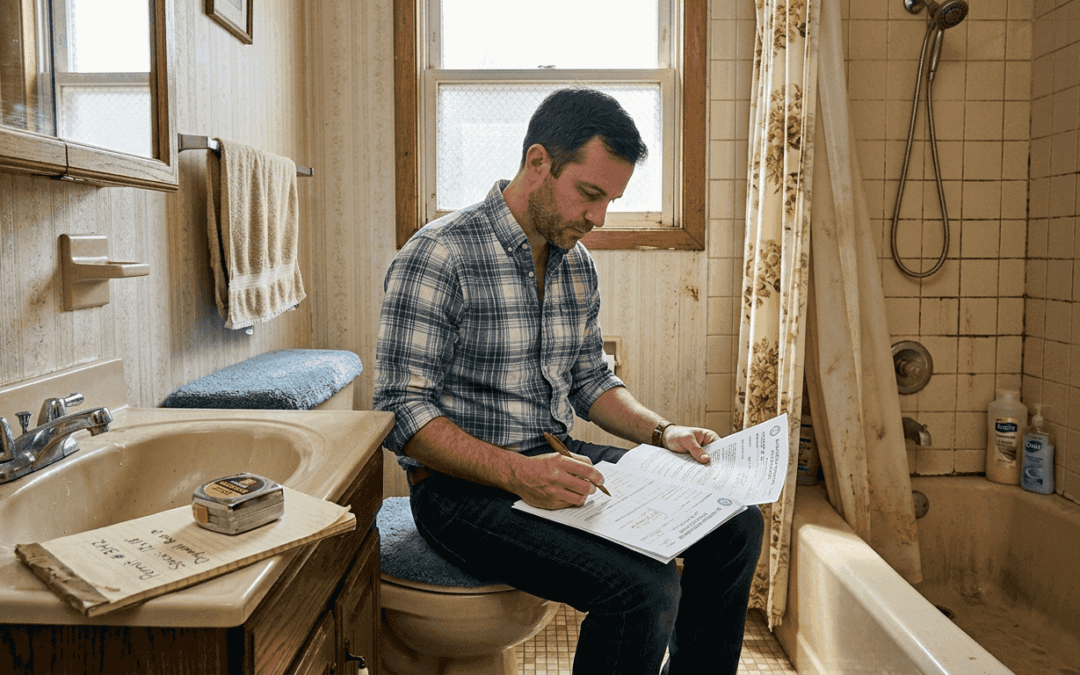
Planning a bathroom renovation in Illinois can feel overwhelming when you’re juggling permit requirements, plumbing codes, and budget constraints. Homeowners often struggle to understand what alterations need approval, how much realistic costs run per square foot, and which fixtures deliver the best balance of style and function. Getting these criteria right from the start prevents costly delays, code violations, and budget overruns. This guide walks you through expert-backed tips tailored to Illinois regulations and market conditions in 2026, helping you make informed decisions that enhance both functionality and aesthetics while keeping your project on track.
Table of Contents
- Understanding Permits And Plumbing Regulations In Illinois
- Budgeting Your Bathroom Renovation: Cost Factors And Estimates
- Choosing Materials And Fixtures To Balance Style And Functionality
- Planning Plumbing Inspections And Preventing Costly Renovation Delays
- Ready To Start Your Bathroom Renovation In Illinois?
- Frequently Asked Questions
Key takeaways
| Point | Details |
|---|---|
| Permits required | Plumbing alterations require permits and must be completed by licensed professionals in Illinois. |
| Budget realistically | Bathroom remodels range from $70 to $250 per square foot depending on finishes and fixtures selected. |
| Plan plumbing early | Early plumbing inspections prevent costly delays and water damage during renovation phases. |
| Know local codes | Chicago follows distinct plumbing codes that differ from standard Illinois regulations. |
| Balance style and function | Careful fixture selection enhances aesthetics while meeting daily functional needs. |
Understanding permits and plumbing regulations in Illinois
Navigating permit requirements forms the foundation of any successful bathroom renovation in Illinois. Many homeowners mistakenly assume minor changes don’t require official approval, but plumbing alterations require permits, distinguishing them from simple repairs under Illinois law. The distinction matters because alterations involve changing pipe locations, adding new fixtures, or modifying drainage systems, while repairs simply restore existing systems to working condition. Under 225 ILCS 320, only licensed plumbers can perform or supervise work requiring permits, protecting homeowners from substandard installations that could cause water damage or code violations.
The permitting process varies based on your location within Illinois. Chicago follows distinct plumbing codes that amend standard state regulations, creating stricter requirements for fixture spacing, pipe sizing, and venting systems. Suburban and rural areas typically follow the Illinois Plumbing Code directly, but always verify with your local building department before starting work. This regional variation means a renovation plan approved in Springfield might need modifications in Chicago, making early consultation with licensed plumbers in Illinois essential for compliance.
Obtaining permits follows a structured sequence that protects both homeowners and future occupants. Start by having a licensed plumber assess your renovation scope and create detailed plans showing all proposed changes. Submit these plans to your local building department along with the permit application and required fees, which typically range from $50 to $200 depending on project complexity. Once approved, schedule a rough-in inspection after installing new pipes but before closing walls, then arrange a final inspection after completing all work. Understanding renovation permits in Illinois streamlines this process and prevents the costly mistake of covering unpermitted work that inspectors later require you to expose.
Compliance steps every homeowner should follow include:
- Verify your contractor holds a valid Illinois plumbing license before signing any agreements
- Request copies of all permit applications and approvals for your records
- Schedule inspections at required phases rather than waiting until project completion
- Document all work with photos showing pipe installations before walls close
- Keep all receipts and warranties for fixtures and materials installed
Pro Tip: Contact your local building department at least two weeks before starting demolition to understand specific permit timelines and inspection scheduling requirements, as some jurisdictions book inspections weeks in advance during peak renovation seasons.
Budgeting your bathroom renovation: cost factors and estimates
Realistic budgeting separates successful renovations from projects that stall halfway through due to funding shortfalls. Average bathroom remodel costs reach $10,939 in Chicago, with most homeowners spending between $6,677 and $16,542 depending on bathroom size and finish quality. These figures reflect 2026 market conditions including labor rates, material costs, and permit fees specific to Illinois. Budget variations stem from factors like existing plumbing condition, structural modifications needed, fixture quality selected, and whether you’re updating a powder room or a primary bathroom suite.
Cost per square foot provides a useful planning metric when comparing renovation options. Bathroom remodels range from $70 to $250 per square foot based on finishes and bathroom type, with powder rooms typically costing less per square foot than full bathrooms due to fewer fixtures. A basic refresh with standard fixtures, vinyl flooring, and minimal layout changes falls toward the lower end, while luxury renovations featuring custom tile work, high-end fixtures, and structural modifications reach the upper range. Understanding these benchmarks helps you set realistic expectations and prioritize spending on elements that deliver the most value for your specific needs.
Fixture costs represent a significant portion of your total budget and vary dramatically based on quality and features selected. The table below breaks down typical ranges for major bathroom components in Illinois markets:
| Fixture Type | Budget Range | Mid-Range | High-End |
|---|---|---|---|
| Tub/Shower Combo | $800 to $1,500 | $1,500 to $3,000 | $3,000 to $8,000+ |
| Toilet | $150 to $300 | $300 to $600 | $600 to $2,500+ |
| Vanity & Sink | $300 to $800 | $800 to $2,000 | $2,000 to $5,000+ |
| Flooring (installed) | $3 to $8/sq ft | $8 to $15/sq ft | $15 to $35/sq ft |
| Lighting Fixtures | $100 to $300 | $300 to $800 | $800 to $2,000+ |
Smart budgeting prevents the overruns that plague roughly 40% of renovation projects. Start by adding a 15 to 20% contingency for unexpected issues like hidden water damage or code-required upgrades discovered during demolition. Get detailed written estimates from at least three contractors, ensuring each breaks down labor, materials, and permit costs separately for accurate comparison. Exploring cost-effective remodeling in Illinois reveals strategies for maximizing value without sacrificing quality. Track every expense in a spreadsheet or budgeting app, categorizing costs by fixture, labor, permits, and contingency spending to identify where money goes and adjust priorities if needed.
Additional budgeting considerations include:
- Labor typically represents 40 to 50% of total project costs in Illinois markets
- Permit fees, inspection costs, and design services add 5 to 10% to base estimates
- Demolition and disposal fees range from $500 to $2,000 depending on bathroom size
- Temporary bathroom setup during renovation may require portable toilet rental
- Financing interest costs if using home equity loans or contractor payment plans
Pro Tip: Request itemized quotes that separate fixture costs from installation labor, allowing you to supply your own fixtures if you find better deals while still paying professionals for proper installation that meets code requirements.
Choosing materials and fixtures to balance style and functionality
Material and fixture selection shapes both the aesthetic appeal and long-term functionality of your renovated bathroom. Flooring choices set the foundation for your design while meeting practical demands for water resistance and durability. Flooring costs average $12.50 per square foot installed, with ceramic, marble, and vinyl ranging from $1 to $35 per square foot depending on material quality and installation complexity. Ceramic and porcelain tile dominate bathroom renovations due to excellent water resistance, durability spanning decades, and style versatility, though they require professional installation and feel cold underfoot without radiant heating. Luxury vinyl plank offers a budget-friendly alternative that mimics wood or stone while providing superior water resistance and comfortable warmth, making it ideal for families with children.
Tub and shower selection dramatically impacts both daily comfort and resale value. Tub-shower combinations remain the most popular choice for family bathrooms, offering flexibility for both bathing children and quick adult showers while fitting standard 60-inch alcoves. Standard acrylic units cost $800 to $1,500 installed, while custom tile surrounds with built-in benches and multiple showerheads range from $3,000 to $8,000 depending on tile selection and features. Walk-in showers appeal to aging homeowners prioritizing accessibility, with curbless designs and grab bars adding safety without sacrificing style. Wet-room conversions that waterproof entire bathroom floors create luxurious spa-like experiences but require significant structural work and professional waterproofing, typically adding $5,000 to $12,000 to renovation budgets.
Toilet options extend far beyond basic functionality, with modern features addressing efficiency, hygiene, and comfort. Standard gravity-feed toilets cost $150 to $300 and meet current water efficiency standards of 1.6 gallons per flush, providing reliable performance for most households. Dual-flush models ranging from $250 to $500 offer separate buttons for liquid and solid waste, reducing water consumption by up to 30% annually and lowering utility bills. Comfort-height toilets positioned 17 to 19 inches high rather than standard 15 inches ease sitting and standing for adults and aging homeowners, adding $50 to $100 to base costs. Smart toilets featuring heated seats, bidet functions, and automatic lids range from $600 to $2,500, delivering luxury and improved hygiene while requiring dedicated electrical circuits.
Follow these steps to choose fixtures matching your space and usage patterns:
- Measure your bathroom accurately, noting door swings, window locations, and existing plumbing positions
- Identify must-have features based on household members’ ages, mobility needs, and daily routines
- Research fixture dimensions to ensure proper clearances meet code requirements and feel comfortable
- Compare water and energy efficiency ratings to calculate long-term operating costs
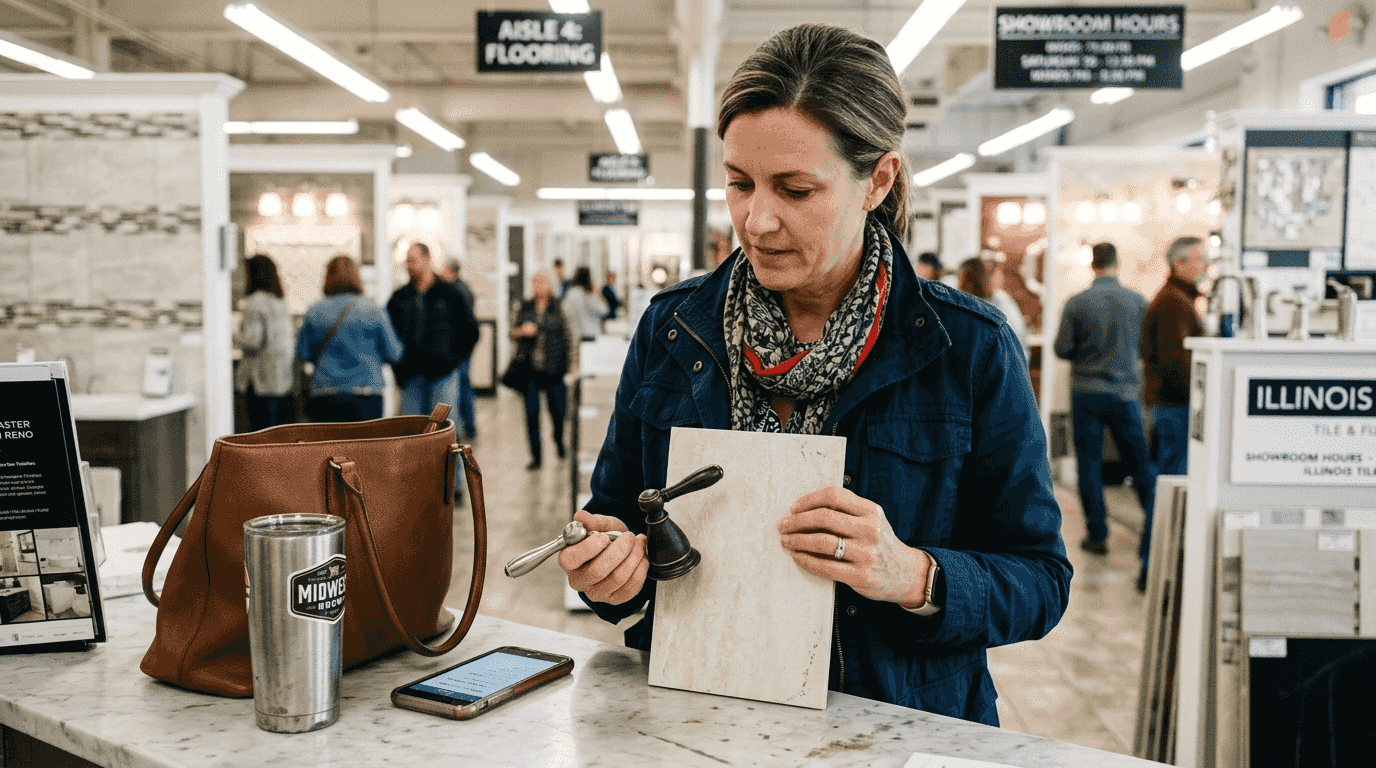
- Visit showrooms to test fixture heights, controls, and finishes before making final selections
- Verify warranty coverage and local parts availability for repairs down the road
Balancing style and functionality requires considering these practical factors:
- Glossy finishes show water spots and require frequent cleaning compared to matte surfaces
- Vessel sinks create dramatic focal points but splash more and reduce counter space
- Frameless glass shower doors look sleek but cost more and show water spots prominently
- Wall-mounted faucets provide clean countertop aesthetics but complicate future repairs
- Natural stone requires regular sealing and careful maintenance to prevent staining
Exploring interior remodeling examples for homeowners provides inspiration for combining materials and finishes that work together cohesively. Consider how fixture finishes coordinate across faucets, lighting, and hardware, as mixing too many metal tones creates visual chaos. Reviewing home remodeling in Chicago projects reveals current trends while highlighting timeless choices that maintain appeal for years.
Pro Tip: Prioritize durability in wet areas by selecting porcelain tile over ceramic for shower floors and walls, as its denser composition resists water absorption better and reduces long-term maintenance while adding minimal cost.
Planning plumbing inspections and preventing costly renovation delays
Proactive plumbing assessment before demolition begins saves thousands in unexpected repairs and schedule delays. Addressing plumbing issues prevents costly delays and water damage during Chicago bathroom remodels, making early inspection a non-negotiable first step. Licensed plumbers can camera-inspect drain lines, test water pressure, check shut-off valve functionality, and assess pipe condition before you commit to fixture locations or finishes. This upfront investment of $150 to $300 reveals problems while they’re still manageable, rather than discovering corroded pipes or inadequate venting after opening walls.
Recognizing warning signs helps homeowners know when professional inspection becomes urgent. Identifying pipe deterioration early prevents expensive damage that can derail renovation timelines and budgets. Watch for these indicators that your plumbing system needs attention:
- Visible corrosion, rust stains, or green oxidation on exposed pipes under sinks
- Persistent musty odors suggesting hidden leaks behind walls or under floors
- Water pressure drops when multiple fixtures run simultaneously
- Gurgling sounds from drains indicating venting problems or partial blockages
- Water stains on ceilings below bathrooms or bulging paint suggesting active leaks
- Slow drains throughout the house pointing to main line issues
- Fluctuating water temperature during showers when other fixtures activate
Inspection scheduling follows a logical sequence tied to permit phases and construction milestones. Request an initial assessment during your planning phase, before finalizing fixture selections or layout changes. Schedule the rough-in inspection after installing all new supply lines, drain pipes, and venting but before closing walls with drywall or cement board. This critical checkpoint allows inspectors to verify proper pipe sizing, adequate slope for drainage, correct venting, and secure mounting for fixtures. Book your final inspection after completing all finish work, installing fixtures, and testing system functionality, as inspectors verify everything operates correctly and meets code before issuing approval.
“Smart homeowners plan plumbing work first and design around it, not the other way around. Moving a toilet six inches can add $1,000 in costs, while relocating a shower drain across the room might require $3,000 in additional plumbing work. Understanding these constraints during planning prevents budget-busting surprises during construction.”
Coordinating inspections with your contractor and permit office prevents delays that idle workers and extend project timelines. Understanding renovation stages guide helps you anticipate inspection timing and prepare accordingly. Most jurisdictions require 24 to 48 hours notice for inspection scheduling, so plan ahead rather than calling the morning you need approval. Failed inspections due to code violations or improper installation force you to correct issues and reschedule, adding days or weeks to your timeline. Reviewing renovation inspection quality standards before inspections helps ensure work meets requirements the first time.
Pro Tip: Coordinate plumbing rough-in inspections for mid-week mornings when inspectors typically have lighter schedules and more time to answer questions, helping you understand any concerns and avoid reinspection delays.
Ready to start your bathroom renovation in Illinois?
Transforming your bathroom from outdated to outstanding requires more than good intentions and a Pinterest board. Professional remodeling experts navigate the complex permit requirements, plumbing codes, and inspection schedules that trip up DIY attempts, ensuring your project stays on track and meets all Illinois regulations. Partnering with experienced contractors who understand local building departments and code requirements eliminates the guesswork and stress from your renovation journey.

Exploring home remodeling in Chicago, Illinois connects you with professionals who handle everything from initial planning through final inspection. These experts help you develop realistic budgets using renovation estimates for Illinois homeowners that account for all costs including permits, materials, labor, and contingencies. Following a proven interior renovation step-by-step guide ensures your project progresses smoothly through each phase, from demolition through final fixture installation, delivering the functional and beautiful bathroom you envision.
Frequently asked questions
What permits are needed for bathroom renovations in Illinois?
Bathroom renovations involving plumbing alterations, electrical work, or structural changes require permits in Illinois. Plumbing permits cover fixture relocations, new drain lines, and water supply modifications. Electrical permits apply when adding circuits, relocating outlets, or installing new lighting beyond simple fixture replacement. Contact your local building department early in planning to identify specific permits your project requires, as requirements vary between Chicago and other Illinois municipalities.
Can I remodel my bathroom without a permit in Illinois?
Simple cosmetic updates like painting, replacing vanity tops, or swapping fixtures in existing locations typically don’t require permits. However, any plumbing alterations including moving drains, relocating fixtures, or adding new water lines legally require permits under Illinois law. Licensed plumbers must perform or supervise all permitted plumbing work. Skipping required permits risks failed home inspections during future sales, liability issues if problems occur, and potential fines from building departments.
How much should I budget per square foot for a bathroom remodel in Chicago?
Budget between $70 and $250 per square foot for bathroom remodels in Chicago depending on finish quality and fixture selection. Basic renovations with standard fixtures and minimal layout changes fall toward $70 to $120 per square foot. Mid-range projects featuring quality materials and moderate upgrades run $120 to $180 per square foot. Luxury renovations with custom features, high-end fixtures, and extensive modifications reach $180 to $250 per square foot or higher.
What are signs my plumbing needs inspection before remodeling?
Watch for visible pipe corrosion, persistent leaks, low water pressure, or gurgling drain sounds indicating potential problems. Water stains on walls or ceilings below bathrooms, fluctuating shower temperatures, and slow drains throughout your home signal issues requiring professional assessment. Homes built before 1980 with original plumbing should always undergo inspection before renovation, as aging pipes often need replacement to prevent failures during or after remodeling work.
Recommended
- Cost-effective remodeling solutions for Illinois 2026
- Inspecting renovation quality: A 2026 Illinois guide
- Blog – First Solution IL
- Renovation Estimates: What Illinois Homeowners Should Know
- Effective Bathroom Cleaning Process for a Pristine Home
- How to Prevent Damp in Your Bathroom – Cloudy2Clear Windows