
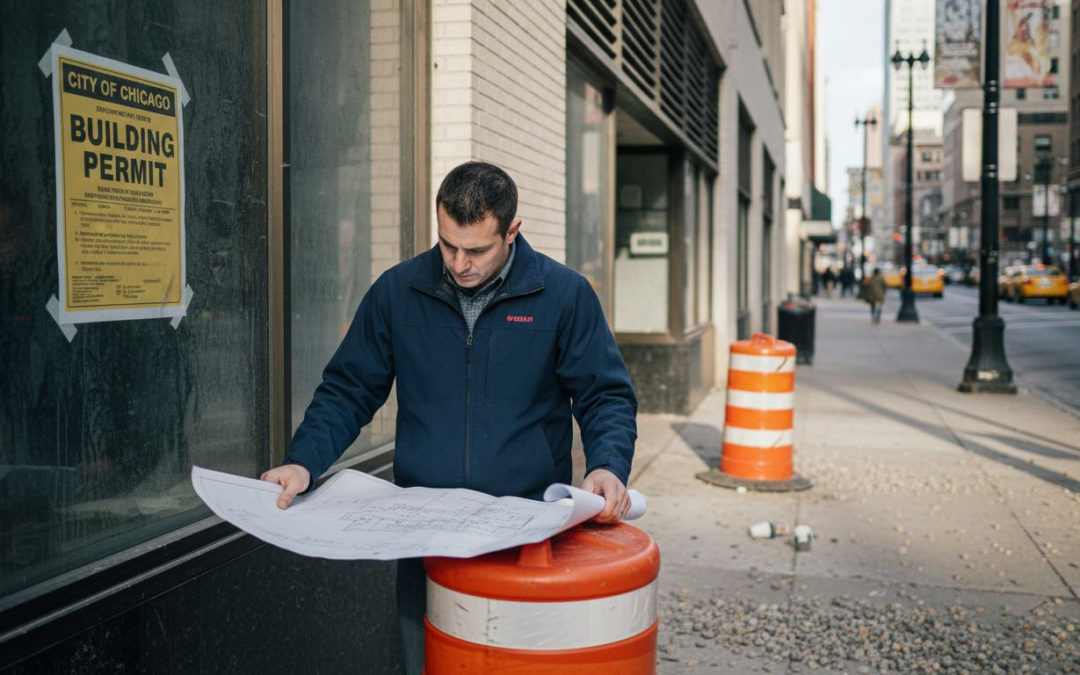
Commercial remodeling guide: manage Illinois projects confidently
Many Illinois commercial property owners face costly delays and overruns from permit and contractor challenges. Misunderstandings about local regulations and vetting processes can derail timelines and budgets quickly. This guide equips you with essential insights on legality, budgeting, contractor selection, and execution to ensure your remodeling project enhances property value and operations without unwelcome surprises.
Table of Contents
- Prerequisites: What You Need Before Starting Your Commercial Remodel
- Step 1: Planning And Permitting For Illinois Commercial Remodeling
- Step 2: Budgeting And Cost Estimation
- Step 3: Choosing And Managing Your Contractor
- Step 4: Project Execution And Timeline Management
- Step 5: Safety And Legal Compliance
- Step 6: Common Mistakes And How To Avoid Them
- Step 7: Expected Outcomes And Measuring Success
Key takeaways
| Point | Details |
|---|---|
| Permits and regulations | Illinois-specific regulations prevent costly delays and fines during commercial remodeling. |
| Budgeting with contingencies | Detailed budgets including 10-20% contingencies avoid financial overruns common in Illinois projects. |
| Licensed contractor selection | Choosing licensed, insured contractors with local experience reduces disputes and defects significantly. |
| Timeline management | Vigilant project execution with phased planning minimizes operational disruptions and keeps remodeling on schedule. |
| Safety compliance | Strict adherence to OSHA and Illinois environmental rules protects workers and prevents regulatory penalties. |
Prerequisites: What you need before starting your commercial remodel
Before breaking ground, you need solid preparation to avoid early missteps. Understanding Illinois building codes and zoning laws relevant to your property is non-negotiable. Commercial remodeling projects typically require permits from local building departments, and non-compliance can result in fines or project delays.
Assess your current building condition and compliance status thoroughly. An honest evaluation reveals existing code violations or structural issues that must be addressed before remodeling begins. This assessment informs your budget and timeline realistically.
Secure preliminary budget and financing arrangements early. Speak with lenders or accountants to understand available capital and financing options that reflect realistic Illinois construction costs. Starting without financial clarity leads to stalled projects when funds run short mid-construction.
Identify and select qualified licensed contractors or project managers before formal planning. Research candidates, verify their commercial renovation permits experience, and confirm they understand Illinois-specific requirements. Early contractor involvement helps refine scope and budget estimates accurately.

Prepare all safety planning and insurance documentation as mandated by Illinois regulations. You need proper liability coverage, worker’s compensation, and safety protocols documented before work starts to protect everyone involved and satisfy legal requirements.
Pro Tip: Create a project binder with all permits, contractor credentials, insurance certificates, and contracts in one place for easy reference and compliance verification throughout your remodel.
Essential preparation checklist:
- Verify property zoning allows planned remodeling scope and use
- Obtain pre-construction building inspection and compliance assessment
- Secure financing commitments covering full budget plus contingencies
- Collect three detailed bids from licensed contractors with local commercial experience
- Confirm insurance policies meet Illinois commercial construction requirements
- Document existing conditions with photos and measurements for reference
Step 1: Planning and permitting for Illinois commercial remodeling
Permitting is where many Illinois commercial projects stumble. Identify the exact permits required at local and state levels before construction. Requirements vary by municipality, project scope, and building use. Contact your local building department early to understand specific needs.
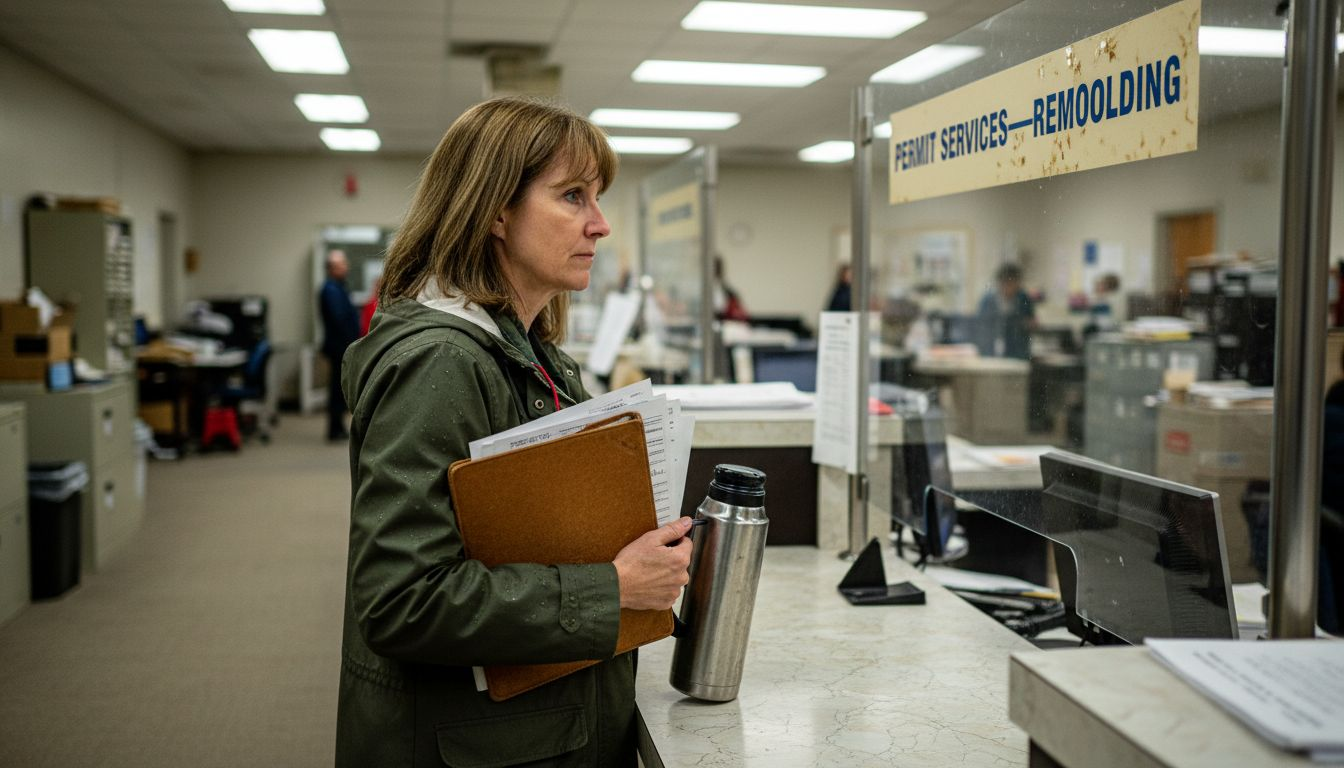
Obtaining proper permits reduces risk of delays by 30% compared to unpermitted work. This statistic reflects both smoother inspections and fewer stop-work orders that halt progress entirely. Permits also protect you legally if disputes arise with contractors or neighboring properties.
Understand Illinois zoning laws that may limit or dictate remodeling scope or use. Zoning restrictions can prevent certain business activities, limit building heights, or require specific parking ratios. Discovering zoning conflicts after design completion wastes money on unusable plans.
Budget specifically for permit fees and regulatory contingencies. Permit costs vary widely but typically range from $500 to $5,000 depending on project size and complexity. Allow extra time and budget for plan revisions if initial submissions require changes to meet code.
Follow this permitting sequence:
- Schedule pre-application meeting with local building officials to discuss project scope and requirements
- Hire licensed architect or engineer to prepare detailed construction drawings meeting Illinois building codes
- Submit complete permit application with drawings, site plans, and required documentation
- Respond promptly to plan review comments and resubmit revised documents as needed
- Pay all permit fees and secure approved permits before any construction begins
- Schedule required inspections at designated project milestones throughout construction
- Obtain final certificate of occupancy after successful completion and final inspection
This systematic approach keeps your project moving through the regulatory process efficiently. Missing steps or rushing submissions creates delays when officials reject incomplete applications. Learn more about commercial interior remodeling explained processes specific to Illinois.
Step 2: Budgeting and cost estimation
Realistic budgeting separates successful projects from financial disasters. Average commercial remodeling costs in Illinois range from $50 to $200 per square foot depending on project scope, finishes, and location. Urban areas like Chicago command premium prices while rural regions offer more affordable rates.
Always include 10-20% contingency for unforeseen conditions or design changes. 25% of remodeling projects in Illinois exceed their budget by more than 15% due to poor initial scope assessment. Hidden issues like outdated wiring, structural weaknesses, or asbestos require immediate attention when discovered.
Employ cost-saving strategies without sacrificing quality. Phased remodeling spreads costs over time and maintains some operational capacity during construction. Bulk materials purchase negotiated upfront locks in prices and reduces per-unit costs. Reusing or refinishing existing elements like flooring or fixtures cuts material expenses.
Understand how mid-project scope changes disproportionately increase total costs. Change orders typically cost 20-40% more than original scope items due to schedule disruptions, material reordering, and contractor rework. Finalize all design decisions before construction starts to minimize expensive changes.
Pro Tip: Request itemized bids from contractors that separate labor, materials, permits, and overhead so you can identify cost-saving opportunities and compare quotes accurately.
| Cost Category | Typical Range (per sq ft) | Notes |
|---|---|---|
| Basic remodel | $50-$75 | Cosmetic updates, paint, flooring, lighting |
| Mid-range remodel | $75-$125 | Layout changes, new systems, quality finishes |
| High-end remodel | $125-$200+ | Custom elements, premium materials, extensive structural work |
| Contingency fund | 10-20% of total | Covers unforeseen issues and minor changes |
Explore detailed Illinois renovation estimates and budgeting strategies to avoid overruns before finalizing your financial plan.
Budget components to address:
- Design and architectural fees (typically 8-15% of construction costs)
- Permit fees and inspection costs specific to your municipality
- Demolition and site preparation including waste disposal
- Materials and finishes selected during design phase
- Labor costs for general contractor and specialized subcontractors
- Utility upgrades or relocations required by code or design
- Temporary facilities or operational accommodations during construction
- Final cleaning, punch list completion, and move-in preparation
Step 3: Choosing and managing your contractor
Your contractor choice directly impacts project success. Verify all contractor licenses, insurance, and bonding through Illinois official records. The Illinois Department of Financial and Professional Regulation maintains searchable databases of licensed contractors. Confirm coverage amounts meet your project needs.
Choosing a licensed and insured contractor in Illinois can decrease project overruns and delays by 40%, yet many owners skip this vital step. Licensed contractors understand local codes, maintain proper insurance, and have recourse mechanisms if problems arise.
Review portfolios and gather references from recent local projects. Ask for three commercial projects completed in the past two years with similar scope to yours. Contact references directly and ask about budget adherence, timeline performance, communication quality, and problem resolution.
Establish clear, written contracts defining scope, cost, and timeline. Your contract should specify materials brands and grades, payment schedules tied to milestones, change order procedures, warranty terms, and dispute resolution processes. Never start work with verbal agreements or incomplete contracts.
Maintain regular communication and perform ongoing progress and quality checks. Weekly site meetings keep everyone aligned on schedule and issues. Document all decisions and changes in writing immediately. Early problem identification prevents small issues from becoming expensive failures.
Pro Tip: Require contractors to provide lien waivers from subcontractors and suppliers with each payment to protect your property from mechanics liens if payment disputes occur down the contracting chain.
Contractor evaluation criteria:
- Valid Illinois contractor license current and in good standing
- General liability insurance minimum $1 million per occurrence
- Worker’s compensation coverage for all employees
- Bonding capacity appropriate for your project size
- Minimum five years commercial remodeling experience in Illinois
- References from three recent similar projects with verifiable contact information
- Financial stability demonstrated through credit references and bonding
- Clear communication style and responsiveness during bidding process
Avoid common contractor selection pitfalls by taking time to vet candidates thoroughly before signing agreements.
Step 4: Project execution and timeline management
Effective execution keeps your remodel on track and minimizes disruptions. Typical remodeling timelines in Illinois range 3-9 months depending on scope and approach. Simple cosmetic updates finish in 3-4 months while complex renovations requiring structural changes extend to 9 months or longer.
Plan phased renovations to reduce operational disruptions but expect higher costs and longer duration. Phased renovations minimize business downtime but cost more and take longer, whereas full shutdown remodels cost less and finish faster but halt operations completely. Choose the approach that best balances your operational and financial constraints.
Implement robust project management practices to track milestones and deadlines. Use scheduling software or detailed spreadsheets to monitor task completion, material deliveries, inspection scheduling, and payment milestones. Weekly progress meetings with your contractor ensure alignment and early issue identification.
Address common scheduling challenges proactively through clear stakeholder communication. Weather delays, material shortages, permit inspection scheduling, and subcontractor coordination all affect timelines. Build buffer time into schedules and maintain regular communication with all parties to minimize surprise delays.
Project execution sequence:
- Conduct pre-construction meeting with contractor, architect, and key stakeholders to review plans and schedules
- Establish site logistics including access, staging areas, and operational accommodations
- Complete demolition and site preparation per approved plans
- Rough in new systems (electrical, plumbing, HVAC) and pass required inspections
- Frame new walls, install structural elements, and complete building envelope work
- Install finishes including flooring, paint, fixtures, and trim
- Complete final systems connections and testing
- Conduct punch list walkthrough and address all deficiencies
- Pass final inspections and obtain certificate of occupancy
- Complete final cleaning and client walkthrough before handover
| Approach | Timeline | Cost Impact | Operational Impact |
|---|---|---|---|
| Full shutdown | 3-6 months | Lower (baseline) | Complete closure during construction |
| Phased renovation | 6-12 months | 15-25% higher | Partial operations maintained throughout |
| Off-hours work | 4-8 months | 10-20% higher | Minimal disruption but slower progress |
Explore Illinois renovation timeline factors and review our renovation stages guide for detailed phase management strategies.
Step 5: Safety and legal compliance
Safety and compliance protect everyone and prevent costly penalties. Adhere strictly to OSHA workplace safety standards throughout remodeling. Required measures include fall protection, hazard communication, electrical safety, and personal protective equipment for all workers on site.
Comply with Illinois environmental laws on construction waste disposal and recycling. Proper waste disposal during remodeling avoids fines averaging up to $10,000 per violation in Illinois. Separate recyclable materials, dispose of hazardous waste properly, and maintain documentation of all disposal activities.
Maintain up-to-date insurance and liability coverage per local legal requirements. Your policy should cover property damage, worker injuries, and third-party claims throughout construction. Verify your contractor maintains separate coverage and provides certificates of insurance before work begins.
Non-compliance can result in significant fines and project stoppages affecting budget and timeline. Building officials have authority to issue stop-work orders for safety violations, unpermitted work, or code non-compliance. Resolving violations and restarting work adds weeks or months to schedules.
“Compliance is not optional in commercial construction. Every safety shortcut and regulatory violation carries financial and legal consequences that far exceed the cost of doing things right from the start.”
Critical compliance areas:
- OSHA safety training and certifications for all workers on site
- Daily safety inspections and hazard mitigation protocols
- Proper scaffolding, fall protection, and equipment safety measures
- Hazardous material handling for asbestos, lead paint, or mold
- Construction waste separation, recycling, and legal disposal
- Noise ordinance compliance for urban locations with neighbors
- Required permits posted visibly at job site at all times
- Regular safety meetings documenting attendance and topics covered
Work with licensed contractors who prioritize safety and understand Illinois-specific regulations thoroughly.
Step 6: Common mistakes and how to avoid them
Learning from others’ mistakes saves you money and frustration. Underestimating scope and budget leads to overruns that strain finances and delay completion. Perform thorough assessments with experienced contractors and include contingencies for realistic planning.
Failing to verify contractor credentials risks subpar work and disputes. Always confirm licenses and insurance through official channels before signing contracts. Unlicensed contractors may offer lower bids but leave you vulnerable to code violations, poor workmanship, and legal liability.
Ignoring permit requirements causes legal delays and fines that far exceed permit costs. Secure all necessary approvals upfront even if timelines seem inconvenient. Unpermitted work discovered during or after construction requires expensive corrections and legal resolution.
Poor communication creates misunderstandings and schedule slippages that compound throughout projects. Establish clear protocols and regular updates from day one. Document all decisions, changes, and agreements in writing immediately to prevent disputes later.
Pro Tip: Create a communication plan at project start defining meeting frequency, reporting formats, decision-making authority, and escalation procedures so everyone knows how information flows and problems get resolved.
Mistakes to avoid:
- Accepting the lowest bid without verifying qualifications and references
- Making design changes after construction starts without formal change orders
- Skipping permit applications to save time or money
- Failing to document existing conditions before demolition begins
- Not maintaining adequate contingency funds for unforeseen issues
- Ignoring small problems hoping they resolve themselves
- Allowing unlicensed or uninsured subcontractors on your property
- Missing scheduled inspections that delay subsequent work phases
Review strategies to avoid remodeling budget overruns and explore common remodeling pitfalls for additional guidance.
Step 7: Expected outcomes and measuring success
Define success metrics before construction starts so you can evaluate results objectively. Completion within the targeted 3-9 month remodeling timeline set during planning demonstrates effective project management and contractor performance. Significant delays often indicate poor planning or execution issues.
Staying within 15% of the original project budget including contingencies shows realistic initial estimates and controlled scope management. Exceeding this threshold suggests inadequate planning, excessive change orders, or contractor performance problems that need addressing.
Noticeable improvements in property functionality and aesthetic appeal after remodeling validate design decisions and construction quality. Space should flow better, systems should operate efficiently, and finishes should meet or exceed expectations established during planning.
Achieving ROI within 6-12 months via increased foot traffic, energy savings, or business growth justifies the investment financially. Track metrics like customer counts, utility costs, or revenue per square foot to quantify remodeling benefits beyond aesthetics.
No legal or safety violations detected during or after project completion confirms regulatory compliance and protects you from future liability. Final inspections, certificates of occupancy, and successful warranty periods indicate quality work meeting all standards.
Success indicators:
- Project completed within agreed timeline plus reasonable contingency period
- Final costs within 15% of approved budget including planned contingencies
- All work passes final inspections without major deficiencies
- Certificate of occupancy issued without conditions or restrictions
- No outstanding contractor disputes or unresolved punch list items
- Measurable operational improvements in targeted areas
- Positive feedback from employees, customers, or tenants using renovated space
- ROI metrics trending toward projections within first year after completion
Transform your Illinois commercial space with expert remodeling
Successful commercial remodeling requires expertise in Illinois regulations, permitting, and execution. Our team brings years of experience managing projects from initial planning through final inspection, ensuring your remodel stays on schedule and budget while meeting all local requirements.

We handle permitting complexities, coordinate licensed subcontractors, and manage timelines so you can focus on your business. Our commercial interior remodeling services cover everything from space planning to final finishes, with transparent pricing and clear communication throughout.
Explore our remodeling services to see how we transform Illinois commercial properties. Whether you need a complete renovation or targeted upgrades, our construction services in Chicago IL deliver quality results that enhance your property value and operations. Contact us today for a consultation and detailed project estimate.
Frequently asked questions
How long does permit approval take in Illinois?
Permit approval timelines vary by municipality but typically range from 2-6 weeks for commercial projects. Larger cities like Chicago often take longer due to volume and complexity. Submit complete, accurate applications early and respond promptly to review comments to minimize delays.
How do I verify a contractor’s Illinois license?
Check the Illinois Department of Financial and Professional Regulation website for contractor license verification. Search by name or license number to confirm active status, expiration dates, and any disciplinary actions. Always request proof of insurance and bonding directly from contractors as well.
What causes most remodeling budget overruns?
Poor initial scope assessment, inadequate contingency planning, and mid-project changes cause most overruns. Hidden conditions like structural issues or code violations discovered during construction add unexpected costs. Thorough pre-construction assessments and 15-20% contingencies help manage these risks.
What safety regulations apply to commercial remodeling?
OSHA workplace safety standards govern all commercial construction in Illinois, covering fall protection, electrical safety, hazard communication, and personal protective equipment. Illinois EPA regulations control waste disposal and environmental protection. Local fire codes and building codes add additional requirements.
Should I choose phased or full shutdown remodeling?
Phased renovation maintains partial operations but costs 15-25% more and takes longer. Full shutdown remodeling finishes faster at lower cost but halts business completely. Choose based on whether your business can afford complete closure or needs to maintain revenue during construction.