
Many property managers expect office renovations to wrap up quickly, only to face unexpected delays that disrupt operations and strain budgets. Design changes alone extend project timelines by 15-30%, creating cascading issues with contractors and tenants. This guide provides a realistic phased timeline framework specifically tailored to Illinois regulations, helping you schedule projects that minimize disruption while meeting compliance requirements.
Table of Contents
- Understanding The Office Renovation Process
- Planning And Permitting Timelines In Illinois
- Stepwise Construction And Finishing Phases
- Common Causes Of Timeline Deviations And Mitigation
- Tenant Disruption Minimization Strategies
- Buffer And Contingency Planning Essentials
- Streamline Your Illinois Office Renovation With First Solution IL
Key Takeaways
| Point | Details |
|---|---|
| Permit Processing | Illinois permits add 4-8 weeks to renovation schedules, requiring early application during initial planning. |
| Phased Construction Impact | Working around tenants extends timelines by 10-20% but maintains business continuity. |
| Timeline Buffers | Adding 10-15% contingency time protects against common delays without major cost increases. |
| Coordination Issues | Poor communication between contractors delays projects by up to 25%, making team alignment critical. |
| Project Duration Range | Complete office renovations span 10-20 weeks depending on scope, complexity, and tenant requirements. |
Understanding the Office Renovation Process
Successful office renovations follow a structured sequence that determines your overall timeline. Project durations range from 10 to 20 weeks depending on square footage, scope complexity, and whether you maintain operations during construction. Understanding each phase helps you coordinate contractors and communicate realistic expectations to tenants.
The typical renovation progresses through distinct stages. Planning establishes design requirements and secures permits. Demolition removes existing fixtures and finishes. Construction rebuilds walls, installs systems, and creates new layouts. Finishing adds flooring, paint, and fixtures. Final inspections verify code compliance before occupancy.
Each phase builds on the previous one, creating dependencies that affect scheduling. Delays in early stages cascade through later work. Inspections that reveal issues require rework, extending timelines. The key is anticipatory scheduling that accounts for these interconnections rather than treating phases as independent blocks.
- Planning and design typically consume 2-4 weeks as you finalize layouts and material selections
- Demolition proceeds quickly at 1-2 weeks for most office spaces
- Core construction including framing, electrical, and HVAC spans 4-8 weeks
- Finishing work adds another 3-5 weeks for flooring, painting, and fixtures
- Final inspections and punch list items require 1-2 weeks before occupancy
Navigating office renovation phases in Illinois requires understanding how these stages interact with permit processes and inspection schedules. Starting planning commercial office renovations early gives you flexibility to adjust timelines when unexpected issues arise.
Planning and Permitting Timelines in Illinois
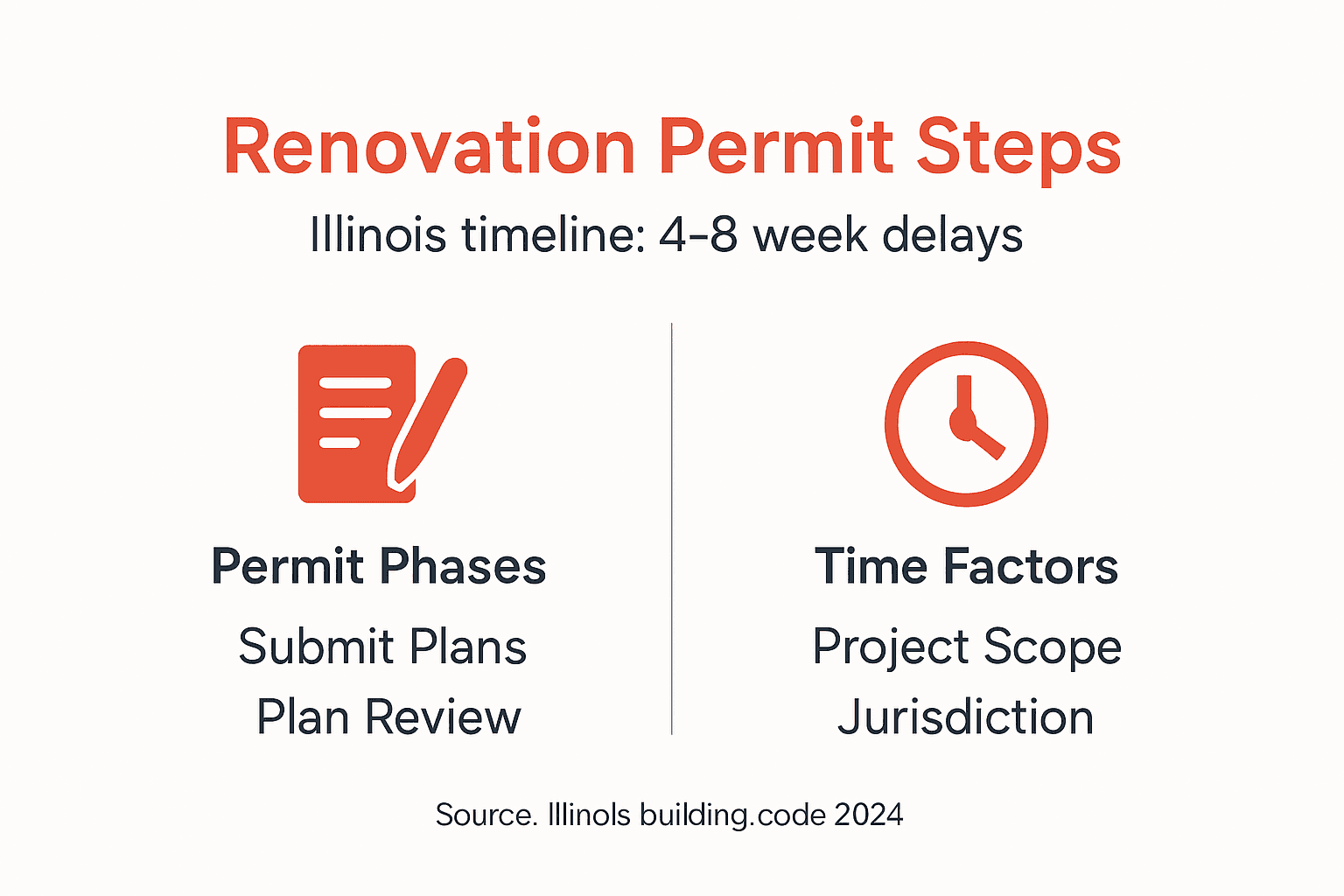
Illinois commercial building codes create specific timeline requirements that distinguish local projects from other states. The permitting process adds 4 to 8 weeks to your renovation schedule due to plan reviews, corrections, and approval workflows. Many property managers underestimate this phase, applying for permits too late and creating costly delays.
Permit timelines vary by jurisdiction and project complexity. Simple interior remodels may clear in 4 weeks. Projects involving structural changes, new mechanical systems, or fire safety upgrades often require 6-8 weeks. The review process identifies code violations that need correction before approval, adding iteration time.
Inspection scheduling introduces additional variability. Building departments schedule inspections based on workload, sometimes requiring several days’ notice. Failed inspections require corrections and re-inspection, further extending timelines. Weather delays outdoor inspection requirements.
Start your permit application during initial planning, not after design completion. Submit preliminary plans for early feedback. Address reviewer comments promptly. Schedule inspections proactively rather than waiting until work completion. These steps prevent permits from becoming your project’s critical path.
Pro Tip: Engage a permit expediter familiar with your local jurisdiction to navigate review processes efficiently and identify potential issues before formal submission.
Understanding commercial renovation permits in Illinois helps you build realistic schedules. Include permit time in your renovation contract protections to clarify responsibilities if approval delays occur. Review Illinois permit regulations early to identify requirements specific to your property type and scope. Factor these considerations into your commercial interior remodeling considerations from the start.
Stepwise Construction and Finishing Phases
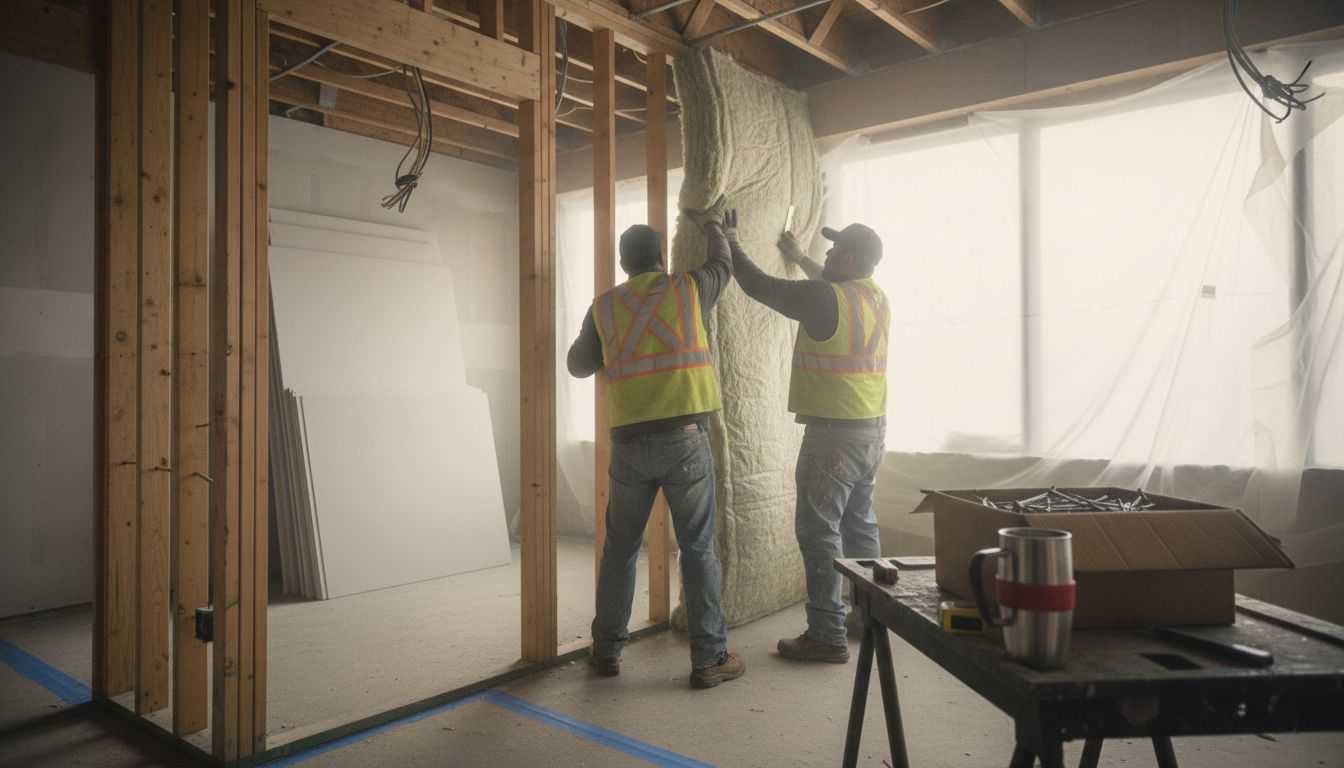
Once permits clear, physical construction begins in carefully sequenced phases. Each stage has typical duration ranges, though actual timing depends on space size, complexity, and contractor availability. Phase durations include 2-4 weeks for pre-construction planning, 3-6 weeks for demolition and rough construction, 4-8 weeks for systems installation and finishing, and 1-2 weeks for final inspections.
| Phase | Duration | Key Activities |
|---|---|---|
| Pre-Construction | 2-4 weeks | Site preparation, material procurement, contractor mobilization |
| Demolition | 1-3 weeks | Removal of existing finishes, fixtures, and non-structural elements |
| Rough Construction | 3-6 weeks | Framing, electrical rough-in, plumbing, HVAC installation |
| Systems Completion | 2-4 weeks | Drywall, insulation, fire safety systems, lighting fixtures |
| Finishing | 3-5 weeks | Flooring, painting, millwork, hardware installation |
| Final Inspections | 1-2 weeks | Code compliance verification, punch list completion, cleaning |
These phases must occur in sequence because later work depends on earlier completion. You cannot install drywall before completing electrical rough-in. Painting requires finished drywall. Flooring goes in after painting to avoid damage. This sequencing prevents concurrent work that could reduce overall duration.
Coordinating multiple contractors becomes critical during overlapping phases. Electricians, plumbers, and HVAC technicians must schedule rough-in work without conflicts. Finishing trades need completed systems before starting. Material deliveries must align with installation schedules. Poor coordination creates idle time that extends your timeline.
- Confirm permit approval and schedule pre-construction meeting with all trades
- Complete demolition and prepare site for new construction
- Sequence rough-in trades to avoid conflicts and rework
- Install and inspect all systems before closing walls
- Schedule finishing trades in logical order to prevent damage
- Conduct final inspections and address punch list items promptly
Following this sequence helps you manage office construction phases efficiently. Build float time between phases to absorb minor delays without impacting overall completion.
Common Causes of Timeline Deviations and Mitigation
Even well-planned renovations encounter delays from predictable causes. Design changes increase timelines by 15-30%, material lead times may delay projects up to 6 weeks, and effective communication among teams reduces delays significantly. Recognizing these risks early allows you to implement mitigation strategies.
Design changes during construction force rework that cascades through remaining phases. Changing wall locations requires new electrical and HVAC plans. Material substitutions may need permit amendments. Late design decisions delay ordering and installation. Finalize designs before construction starts to minimize these issues.
Material delays have become increasingly common. Supply chain disruptions extend lead times for specialized items. Custom millwork, specific flooring products, and unique fixtures may require 6-8 weeks. Delayed materials idle contractors and push subsequent phases back. Order long-lead items early and identify acceptable alternatives upfront.
Coordination breakdowns between contractors create the most preventable delays. Trades arriving out of sequence waste time. Conflicting schedules force rework. Miscommunication about specifications requires corrections. Daily coordination meetings and clear communication protocols minimize these issues.
- Finalize all design decisions and material selections before demolition begins
- Order long-lead items immediately after permit approval to avoid supply delays
- Schedule weekly coordination meetings with all contractors to align schedules
- Maintain clear communication channels for quick issue resolution
- Build relationships with suppliers who can expedite critical materials
- Document all changes in writing to prevent misunderstandings and disputes
Pro Tip: Create a detailed material procurement schedule tied to construction phases, identifying critical path items that could delay multiple trades if they arrive late.
Implementing commercial remodeling workflow best practices prevents many common delays. Focus on minimizing renovation downtime through proactive planning. Understanding types of office renovations helps you anticipate scope-specific challenges.
Tenant Disruption Minimization Strategies
Renovating occupied office space requires careful planning to balance construction efficiency with business continuity. Occupied renovations extend timelines by 10-20% due to phased construction and safety requirements. This tradeoff allows tenants to maintain operations while you improve the space.
Phased construction divides work into sections that can be completed while tenants occupy other areas. You renovate one floor while others remain operational. Section off construction zones with barriers. Complete noisy demolition during off-hours. This approach reduces disruption but extends overall duration because contractors cannot work on the entire space simultaneously.
Safety requirements add time to occupied renovations. Dust containment systems require setup and maintenance. Contractors must create separate access paths. Fire safety systems must remain operational throughout construction. Equipment movement requires coordination with tenant schedules. These measures protect occupants but slow construction progress.
Scheduling work around tenant hours minimizes disruption but constrains contractor availability. Evening and weekend work carries premium labor costs. Noise restrictions limit certain activities to specific times. Access coordination prevents conflicts between construction traffic and employees. Balance disruption reduction against timeline and cost impacts.
- Phase work to keep portions of the office operational throughout construction
- Schedule noisy demolition and core drilling during evenings or weekends
- Establish clear communication protocols to inform tenants of upcoming activities
- Create dedicated construction access routes separate from tenant circulation
- Implement rigorous dust control and air quality measures to protect occupants
- Coordinate material deliveries to avoid peak business hours and parking conflicts
Effective strategies for minimizing tenant disruption require early planning and clear communication. Set realistic expectations about noise, access limitations, and temporary inconveniences.
Buffer and Contingency Planning Essentials
Successful project managers build flexibility into renovation timelines through strategic buffer allocation. A contingency of 10-15% total project time protects against unforeseen delays without significantly impacting budgets. This cushion absorbs minor setbacks that would otherwise cascade into major overruns.
Buffer time serves multiple purposes. It accommodates permit review iterations. It covers weather delays affecting exterior work or material deliveries. It provides flexibility when inspections reveal unexpected issues requiring correction. Most importantly, it prevents minor delays from triggering penalty clauses or forcing expensive schedule compression.
The buffer amount depends on project complexity and risk factors. Simple interior refreshes may need only 10% contingency. Projects involving structural changes, system upgrades, or tenant coordination warrant 15% buffers. Renovations in older buildings with unknown conditions justify even larger reserves.
Balancing buffer costs against delay risks requires judgment. Extended timelines carry holding costs and lost revenue. However, inadequate buffers force expensive expediting when delays occur. Rushed work compromises quality. The right buffer optimizes this tradeoff based on your specific constraints.
- Allocate 10-15% of total project duration as schedule buffer for unforeseen delays
- Place buffer at project end rather than distributing across phases to maintain urgency
- Use buffer strategically for legitimate delays, not scope creep or poor planning
- Monitor buffer consumption weekly to identify trends requiring intervention
- Adjust future project buffers based on actual delay patterns from completed work
Planning adequate buffer time in renovation planning demonstrates sophistication and protects stakeholder relationships. Communicate buffer purpose clearly to prevent it from being viewed as padding.
Streamline Your Illinois Office Renovation with First Solution IL
Managing complex renovation timelines requires expertise in Illinois regulations, construction sequencing, and tenant coordination. First Solution IL brings decades of commercial renovation experience to help property managers navigate these challenges. 
Our team understands the intricacies of commercial remodeling workflow in Illinois, from permit applications through final inspections. We coordinate trades efficiently, minimize tenant disruption, and build realistic schedules with appropriate buffers. Our proven processes reduce timeline deviations while maintaining quality standards.
Explore our complete range of First Solution IL services designed specifically for commercial properties. Learn how our commercial interior remodeling expertise delivers predictable outcomes. Contact us today for a detailed timeline assessment tailored to your specific project requirements.
FAQ
How long does the Illinois permit process usually take for office renovations?
Permitting in Illinois commonly adds 4 to 8 weeks to renovation timelines due to plan reviews and inspection scheduling. Complex projects involving structural changes or system upgrades often require the full 8 weeks. Starting applications during initial planning rather than after design completion prevents permits from becoming your critical path. Working with experienced contractors familiar with local Illinois permit process requirements streamlines approvals. Review Illinois permitting guidelines early to identify documentation requirements specific to your project scope.
What are the main reasons office renovation projects run longer than planned?
Design changes, material supply delays, and poor contractor coordination cause most timeline extensions. Midstream design revisions require rework that cascades through remaining phases. Specialized materials with 6-8 week lead times delay installation if not ordered early. Contractors arriving out of sequence create idle time and schedule conflicts. Finalizing designs before construction, ordering long-lead items during permitting, and maintaining daily coordination prevent most causes of renovation delays.
How can tenant presence impact my office renovation timeline?
Occupied renovations add 10-20% more time because contractors must phase work, implement safety measures, and schedule around business operations. Creating separate construction zones prevents simultaneous work across the entire space. Dust containment, noise restrictions, and access coordination slow progress. Evening or weekend work minimizes disruption but limits contractor availability. Understanding tenant impact on renovation timeline helps you balance business continuity with project efficiency.
What buffer time should I include in my renovation schedule?
A contingency of 10-15% total project time protects against unforeseen delays without major cost increases. This buffer absorbs permit iterations, inspection corrections, minor material delays, and coordination issues. Simple interior projects may need only 10%, while complex renovations with tenant coordination warrant 15% reserves. Place buffer at project end to maintain urgency throughout construction. Following renovation buffer time recommendations demonstrates sophisticated project management and protects stakeholder relationships.