

TL;DR:
- Upgrading commercial properties in Illinois enhances value, tenant retention, and operational efficiency.
- Planning and experienced contractors are essential to minimize risks like delays and budget overruns.
- Continuous strategic investment ensures long-term competitiveness and property modernization.
Most commercial property owners in Illinois treat renovations as a last resort, something to consider only when a tenant threatens to leave or a system breaks down. That thinking is costing you money. Upgrading your commercial space is not about cosmetic changes or spending for the sake of it. It is a strategic decision that directly impacts your property’s market value, tenant retention, operating costs, and your ability to compete in a shifting real estate landscape. This article walks through why upgrades matter, what benefits you can realistically expect, what risks to plan for, and how to execute a successful renovation in Illinois without losing sleep over it.
Table of Contents
- Understanding the need: Why commercial spaces require upgrades
- Key benefits of upgrading your commercial space
- Risks and challenges: What to plan for
- Practical steps: How to successfully upgrade your Illinois commercial space
- A fresh perspective: Why Illinois commercial upgrades are a long-term strategy, not a quick fix
- Ready to transform your Illinois commercial space?
- Frequently asked questions
Key Takeaways
| Point | Details |
|---|---|
| Drives value | Upgrading your commercial space significantly increases property value and desirability. |
| Reduces risks | Timely renovations address infrastructure issues and mitigate legal or operational problems. |
| Maximizes returns | Strategic upgrades improve tenant attraction, retention, and overall business performance. |
| Plan carefully | Success relies on thorough planning, budgeting, and using local expertise. |
Understanding the need: Why commercial spaces require upgrades
The Illinois commercial real estate market has changed significantly over the past few years. Businesses are rethinking how they use space. Hybrid work models have pushed companies to demand more flexible, adaptable floor plans rather than rows of fixed desks. If your building still has a rigid 1990s layout, you are already behind what today’s tenants expect. Aging infrastructure risks and market shifts such as hybrid work requiring flexible spaces are now standard considerations when evaluating a property’s viability.
Beyond layout, aging infrastructure is a real and growing concern. Outdated HVAC systems, old electrical panels, and worn plumbing are not just inconveniences. They create safety risks, trigger code violations, and drive up operating costs. Illinois municipalities update their building codes regularly, and a property that was compliant ten years ago may not be today. Ignoring these issues does not make them go away. It makes them more expensive to fix later.
Here are the most common triggers pushing Illinois property owners toward upgrades:
- Tenant expectations have risen sharply, with businesses wanting modern amenities, better air quality, and flexible layouts
- Competitive pressure from newer buildings offering updated finishes and technology infrastructure
- Regulatory shifts including updated fire codes, ADA accessibility requirements, and energy efficiency mandates
- Sustainability standards as more tenants prioritize LEED-certified or energy-efficient spaces
- Lease renewals where tenants use the opportunity to negotiate upgrades as a condition of staying
“A property that fails to evolve with market demands risks losing tenants to competitors who have invested in their spaces, creating a downward cycle of vacancy and deferred maintenance.”
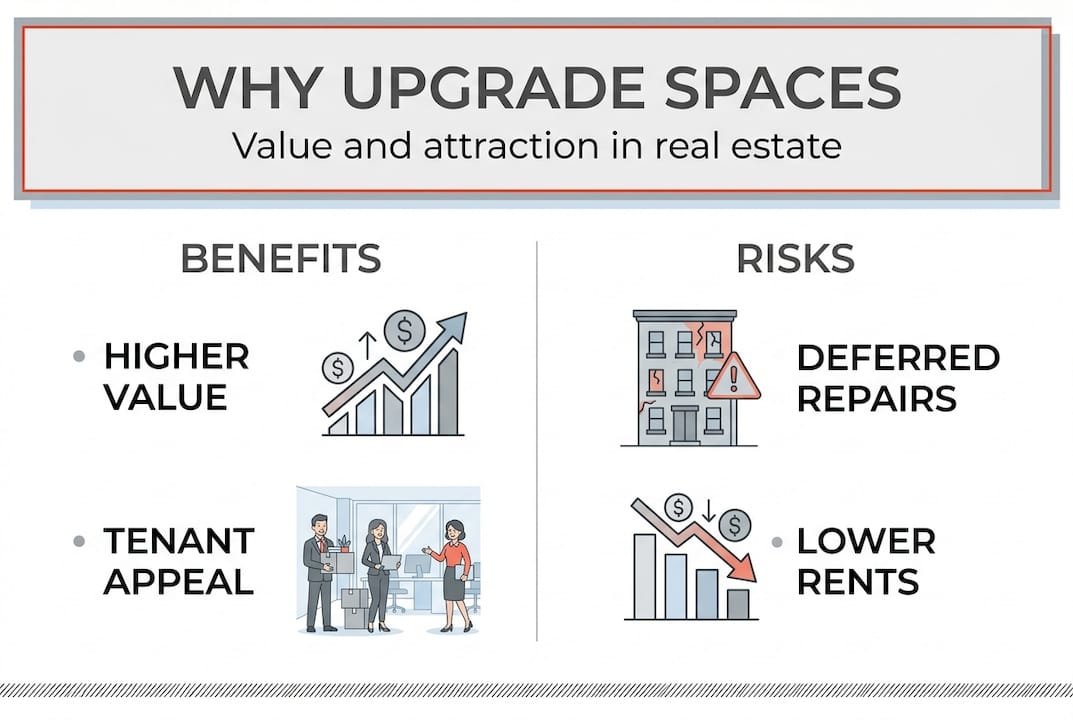
The risk of neglecting upgrades compounds over time. Deferred maintenance leads to higher repair costs, lower rents, and longer vacancy periods. Understanding how office interior benefits translate directly into tenant satisfaction and property performance is the first step toward making smarter investment decisions.
With a solid foundation in why upgrades really matter, let’s look closer at the direct benefits you can achieve.
Key benefits of upgrading your commercial space
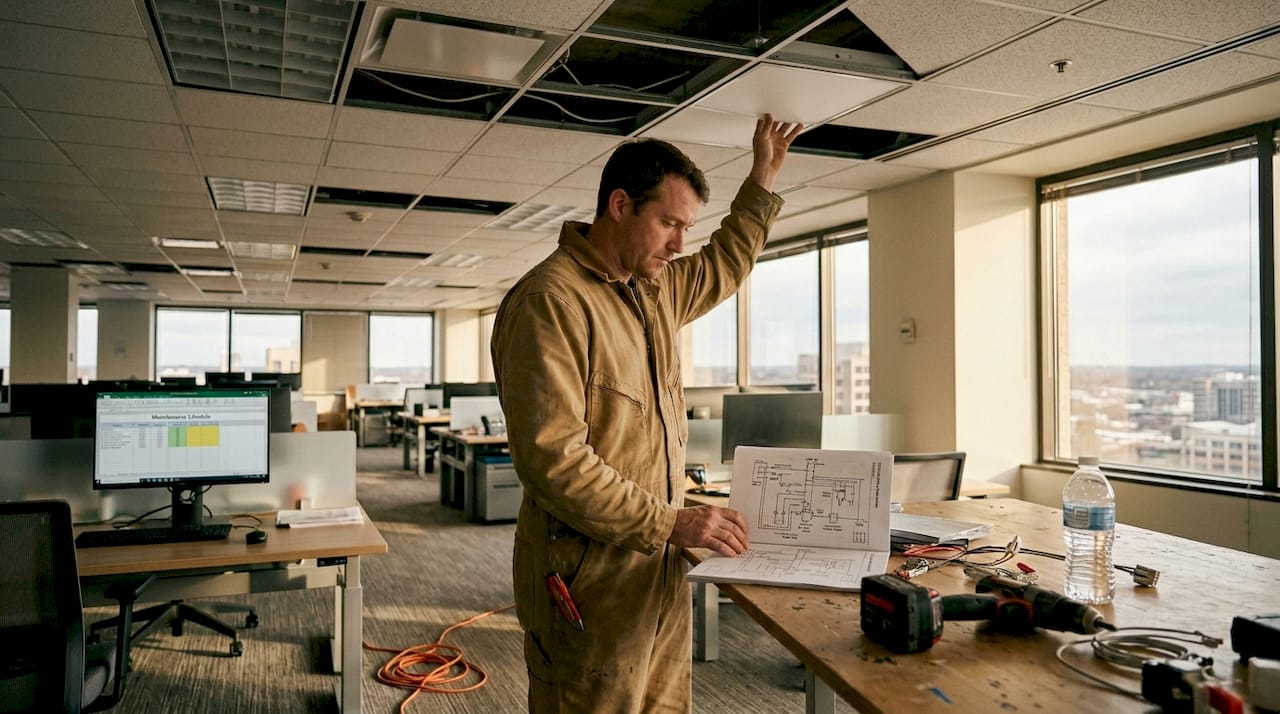
Upgrades deliver value across multiple dimensions, not just aesthetics. When you invest thoughtfully in your commercial property, the returns show up in your rent rolls, operating statements, and tenant relationships. Here is a side-by-side look at what upgrading versus not upgrading actually means for your bottom line:
| Factor | Upgrading | Not upgrading |
|---|---|---|
| Property value | Increases with modern systems and finishes | Depreciates as systems age |
| Tenant retention | Higher, due to improved experience | Lower, as tenants seek better options |
| Operating costs | Reduced with energy-efficient systems | Rising due to inefficiency and repairs |
| Code compliance | Maintained proactively | Risk of violations and fines |
| Brand perception | Elevated, attracts quality tenants | Dated image, harder to lease |
The financial case is straightforward. A well-maintained, modernized property commands higher rents and attracts tenants who stay longer. The operational case is equally strong. Energy-efficient lighting, updated HVAC, and smart building systems reduce monthly costs in ways that add up fast.
Here are the core benefits Illinois property owners consistently report after completing renovations:
- Higher property value as appraisers factor in recent improvements and modern systems
- Improved tenant attraction and retention because businesses want spaces that reflect their brand
- Lower operating costs through energy savings and fewer emergency repairs
- Enhanced brand image for tenants whose clients visit the space
- Better regulatory standing with proactive compliance built into the renovation plan
While renovations carry risks, proactive planning consistently produces better outcomes than new builds at a fraction of the cost. Understanding remodeling value and functionality helps you prioritize which upgrades deliver the best return for your specific property type.
Pro Tip: Do not overlook lighting. Switching to LED systems with smart controls is one of the lowest-cost, highest-impact upgrades available. It cuts energy bills immediately and makes spaces feel dramatically more modern. If you are working with a tight budget, explore remodeling on a budget to identify which improvements deliver the most value per dollar spent.
Now that the benefits are clear, it is just as important to understand the potential risks and challenges you might face during an upgrade.
Risks and challenges: What to plan for
No renovation is without risk. The most common problems Illinois commercial property owners face are budget overruns, construction delays, regulatory hurdles, and vendor reliability issues. None of these are unavoidable, but all of them require deliberate planning to manage effectively.
“Renovations carry risks such as construction delays and budget overruns, but proactive planning can minimize these and deliver faster ROI than starting from scratch.”
Here is a numbered approach to reducing your renovation risk exposure:
- Build a detailed budget with a contingency buffer. Set aside at least 10 to 15 percent of your total budget for unexpected costs. Surprises behind walls and under floors are common in older commercial buildings.
- Hire experienced, licensed contractors. Illinois requires specific licensing for commercial construction work. Verify credentials before signing any contract. An unlicensed contractor can void your insurance and create liability.
- Pull permits before work begins. Skipping permits might seem like a shortcut, but it creates serious problems at sale or lease renewal. Learn about ensuring legal compliance before your project starts.
- Phase the work strategically. If your building is occupied, work with your contractor to schedule disruptive tasks during off-hours or in sections so tenants are not forced out.
- Get everything in writing. Scope of work, timelines, payment schedules, and change order procedures should all be documented before the first nail is driven.
- Monitor progress actively. Do not assume the project is on track. Regular site visits and weekly check-ins with your contractor catch problems early when they are still cheap to fix.
Resources like planning a smooth renovation and smooth commercial remodels offer detailed frameworks for keeping your project on time and on budget. The investment in preparation pays for itself many times over.
After seeing the risks, here is how to approach your upgrade process to maximize gains and minimize pitfalls.
Practical steps: How to successfully upgrade your Illinois commercial space
A successful commercial upgrade does not happen by accident. It follows a structured process from assessment through completion. Here is a step-by-step framework built for Illinois property owners:
- Assess your current space. Walk through the property with a critical eye. Document what is outdated, unsafe, or underperforming. Include tenant feedback if applicable.
- Set clear objectives. Are you trying to attract new tenants, reduce operating costs, meet code requirements, or all three? Defining your goals shapes every decision that follows.
- Research local regulations. Illinois building codes and permit requirements vary by municipality. Chicago, for example, has different requirements than suburban Cook County or downstate cities.
- Build a realistic budget. Use current market pricing and add your contingency buffer. Proactive planning mitigates most renovation risks and is far preferable to reacting to crises.
- Select qualified contractors. Get at least three bids, check references, and verify licensing. Local contractors with Illinois-specific experience are a significant advantage.
- Phase the work. Break large projects into manageable stages. This keeps cash flow predictable and minimizes disruption to occupied spaces.
- Monitor and adjust. Track progress against your timeline and budget weekly. Address issues immediately rather than hoping they resolve themselves.
Here is a quick reference for common Illinois commercial upgrade costs and typical timelines:
| Upgrade type | Estimated cost range | Typical timeline |
|---|---|---|
| Lobby renovation | $15,000 to $60,000 | 3 to 6 weeks |
| Bathroom refresh | $8,000 to $30,000 | 2 to 4 weeks |
| Energy system update | $20,000 to $80,000 | 4 to 8 weeks |
| Open floor plan conversion | $25,000 to $75,000 | 4 to 10 weeks |
| Full interior remodel | $100,000 and up | 3 to 6 months |
Pro Tip: Working with Illinois-based professionals who know local permit offices and code requirements can shave weeks off your project timeline. Explore Illinois office renovation tips for region-specific guidance that saves time and avoids costly surprises.
Equipped with practical strategies, consider this perspective to help you move forward with even more confidence.
A fresh perspective: Why Illinois commercial upgrades are a long-term strategy, not a quick fix
Here is something most renovation articles will not tell you directly: the owners who get the best results from commercial upgrades are not the ones chasing the fastest payback. They are the ones who treat their properties as living assets that need continuous investment to stay competitive.
Quick-fix thinking leads to reactive spending. You patch a roof, replace a failing HVAC unit, and repaint a lobby when it looks embarrassing. That approach costs more over time and never positions your property as a market leader. Smart owners think in terms of asset lifecycle. They plan upgrades in phases, anticipate regulatory changes before they become violations, and invest in improvements that align with where tenant demand is heading, not where it was five years ago.
The most successful Illinois commercial property owners we work with see real world remodeling value not as a one-time event but as an ongoing modernization strategy. They budget for it annually, track market trends, and make decisions based on long-term positioning rather than short-term cost avoidance. That mindset is what separates properties that command premium rents from those that compete on price alone.
Ready to transform your Illinois commercial space?
If you have read this far, you already understand that upgrading your commercial space is about more than appearance. It is about staying competitive, protecting your investment, and giving tenants a reason to stay and pay more.

At First Solution IL, we work with Illinois commercial property owners and business operators at every stage of the renovation process, from initial assessment through final inspection. Our Illinois commercial remodeling experts bring hands-on experience with local codes, permit processes, and the kinds of upgrades that deliver real returns. Whether you need targeted improvements or a full buildout, our Chicago commercial construction team is ready to help. Visit our full remodeling services page to request a free estimate and take the first step toward a smarter, more valuable property.
Frequently asked questions
What is the main reason to upgrade a commercial space?
The primary reason is to protect and grow property value while meeting the evolving needs of tenants and the market. Renovations address market shifts and infrastructure risks before they become costly problems.
How much do commercial renovations cost in Illinois?
Costs vary widely based on project scope and building size. Minor upgrades such as lighting or bathroom refreshes can start around $10,000, while full-scale interior remodels often run $100,000 or more.
Do renovations disrupt business operations?
With phased scheduling and experienced contractors, most renovations cause minimal disruption. Proactive planning mitigates risks such as delays and disruptions that affect tenants or daily operations.
What permits are required for commercial upgrades in Illinois?
Permit requirements depend on your municipality and project scope, but all significant commercial upgrades require local government approval and must meet current building codes. Always verify requirements before work begins.
Recommended
- Why upgrade office interiors? Boost value and appeal
- Commercial Interior Remodeling Explained: Boost Value and Functionality
- Office renovation trends: elevate your Illinois workspace in 2026
- How to Plan Commercial Renovation for Maximum Success
- Complete Guide to Inspections for Commercial Projects – Florida Licensed Engineers
- 7 Essential Commercial Building Inspection Tips – Texas Licensed Engineers