
Renovations represent serious investment. Homeowners spent $463 billion in early 2024, showing the economic scale of this activity. In Illinois, where aging homes dominate the housing stock, strategic design becomes even more critical. Many property owners mistakenly view design as purely decorative, but it’s the foundation that merges function, compliance, and aesthetic appeal to deliver lasting renovation value.
Table of Contents
- The Importance Of Design In Renovation
- How Design Enhances Renovation Outcomes
- Integration Of Design And Craftsmanship
- Design Focus Areas That Drive Value In Illinois Renovations
- Emerging Design Trends Impacting Renovations
- Common Design Misconceptions In Renovation
- Practical Decision-Making Framework For Renovation Design
- Conclusion: Empowering Renovation Success Through Design
- Explore Expert Renovation Services For Illinois Properties
- Frequently Asked Questions About Renovation Design
Key takeaways
| Point | Details |
|---|---|
| Design drives functionality | Strategic planning improves space utility, safety, and code compliance in Illinois renovations. |
| Integration reduces costs | Combining design with craftsmanship cuts project time by 15% and costs by 10%. |
| Focus areas matter most | Kitchens, bathrooms, and multifunctional spaces deliver highest ROI for renovation investment. |
| Trends shape budgets | 42% of homeowners increase budgets for energy-efficient and sustainable features. |
| Misconceptions cost money | Functional design outperforms purely decorative approaches in long-term value. |
The importance of design in renovation
The renovation sector represents massive economic activity nationwide. Homeowners spent $463 billion on renovations in Q1 2024 alone, demonstrating the scale of investment decisions involving design. For Illinois property owners, this context takes on additional significance due to the state’s unique housing characteristics.
Aging housing stock drives remodeling demand in Illinois, creating both challenges and opportunities. Older structures require careful design planning to modernize systems while respecting existing architectural elements. The balance between preservation and innovation demands expertise that goes far beyond surface aesthetics.
Property type fundamentally shapes design priorities:
- Residential projects emphasize comfort, family workflow, and personal style preferences
- Commercial renovations prioritize flexibility, accessibility, and brand representation
- Mixed-use properties require zoning-compliant designs that serve multiple functions
- Historic buildings need specialized approaches that honor original character
Design decisions made during planning phases influence satisfaction and property value for years. Poor initial design creates costly corrections later, while thoughtful planning prevents problems before construction begins. This is especially true for commercial projects in Illinois, where regulatory requirements add complexity.
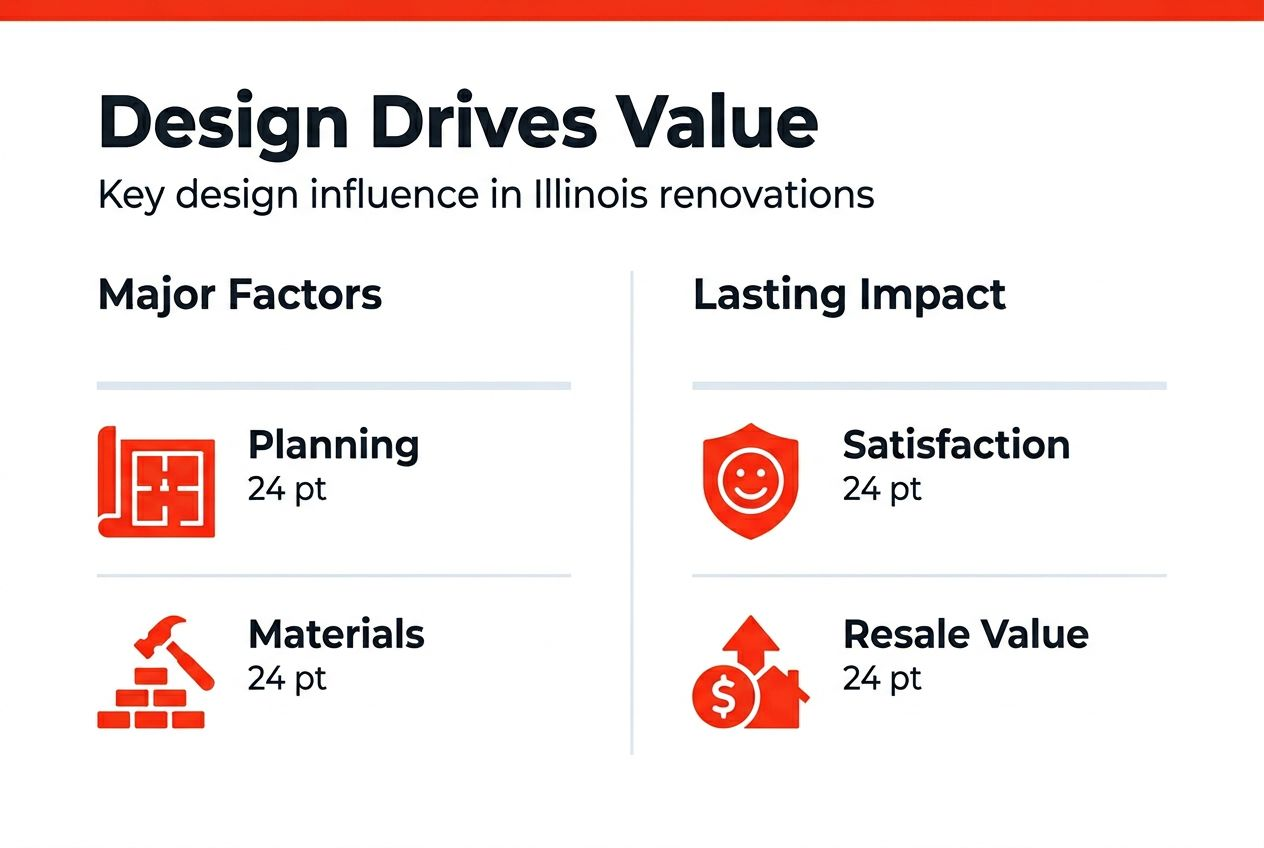
The Illinois market presents specific considerations. Weather patterns demand durable materials and proper insulation planning. Local building departments have distinct permit requirements. Regional aesthetic preferences influence resale potential. Understanding these factors during design prevents misalignment between renovation outcomes and market expectations.
For detailed renovation statistics, industry data shows that strategic design correlates strongly with owner satisfaction scores and appraisal values upon completion.
How design enhances renovation outcomes
Effective design delivers concrete benefits beyond visual appeal. Design improves space utility and safety by incorporating functional layouts, building codes, and accessibility standards crucial to Illinois renovations. These practical advantages directly impact daily use and legal compliance.
Building code compliance starts in the design phase. Illinois municipalities enforce strict requirements for structural modifications, electrical systems, plumbing updates, and accessibility features. Design professionals understand these regulations and create plans that satisfy inspectors from the start. This knowledge prevents expensive change orders when permit reviewers identify violations.
Functional layouts maximize existing square footage. Thoughtful space planning creates efficient traffic flow, adequate storage, and appropriate room proportions. In residential settings, this might mean relocating a doorway to improve kitchen workflow. For commercial spaces, it could involve reconfiguring offices to enhance collaboration while maintaining privacy.
Safety considerations embedded in design protect occupants:
- Proper lighting placement reduces accident risk in hallways and stairs
- Slip-resistant flooring materials prevent falls in wet areas like bathrooms
- Electrical system upgrades accommodate modern appliance loads safely
- Egress planning ensures quick evacuation routes meet fire codes
- Ventilation design prevents moisture buildup that causes mold and structural damage
Early design planning smooths the permit process by anticipating reviewer concerns. Complete, professional drawings demonstrate compliance clearly, reducing back-and-forth communications. This efficiency shortens approval timelines and allows construction to begin sooner.
Pro Tip: Engage design professionals before purchasing materials or demolishing anything. Their expertise identifies structural issues that affect renovation scope and budget, preventing surprises that derail projects midstream.
The role of interior designers extends beyond color selection to encompass technical problem-solving that makes renovations successful. Their training covers human factors, building systems, and regulatory frameworks that protect your investment.
Integration of design and craftsmanship
Separating design from construction creates communication gaps that cost time and money. Design-build delivery integrates both functions under unified management, streamlining the renovation process significantly. This approach has gained popularity because it addresses common frustrations in traditional project delivery.
Integrated processes reduce time by 15% and costs by 10% through efficient planning and execution. These savings result from several factors working together to eliminate waste and redundancy.
Benefits of integration include:
- Single point of accountability simplifies problem resolution when issues arise
- Continuous collaboration keeps construction aligned with design intent throughout the project
- Early contractor input during design identifies constructability issues before they become expensive
- Streamlined decision-making reduces delays waiting for approvals from multiple parties
- Shared project goals align team incentives toward quality outcomes rather than competing interests
Reduced rework saves substantial resources. When designers and builders communicate constantly, field conditions that differ from assumptions get addressed immediately. This prevents completed work from needing demolition and reconstruction to match revised plans.
Quality control improves when design professionals visit job sites regularly to verify that construction matches specifications. This oversight catches deviations early, maintaining the integrity of the original vision while allowing practical adjustments as needed.
The renovation process becomes more predictable with integration. Homeowners and property managers appreciate fewer surprises and clearer communication. Budget certainty improves because the team works from shared cost assumptions rather than discovering conflicts between design documents and construction realities.
For complex projects, this unified approach proves especially valuable. The design and construction process involves countless interdependent decisions that benefit from coordinated expertise rather than isolated specialists working sequentially.
Design focus areas that drive value in Illinois renovations
Not all renovation investments generate equal returns. Strategic design focuses resources on areas that deliver maximum functional improvement and resale value. Understanding these priorities helps property owners allocate budgets effectively.
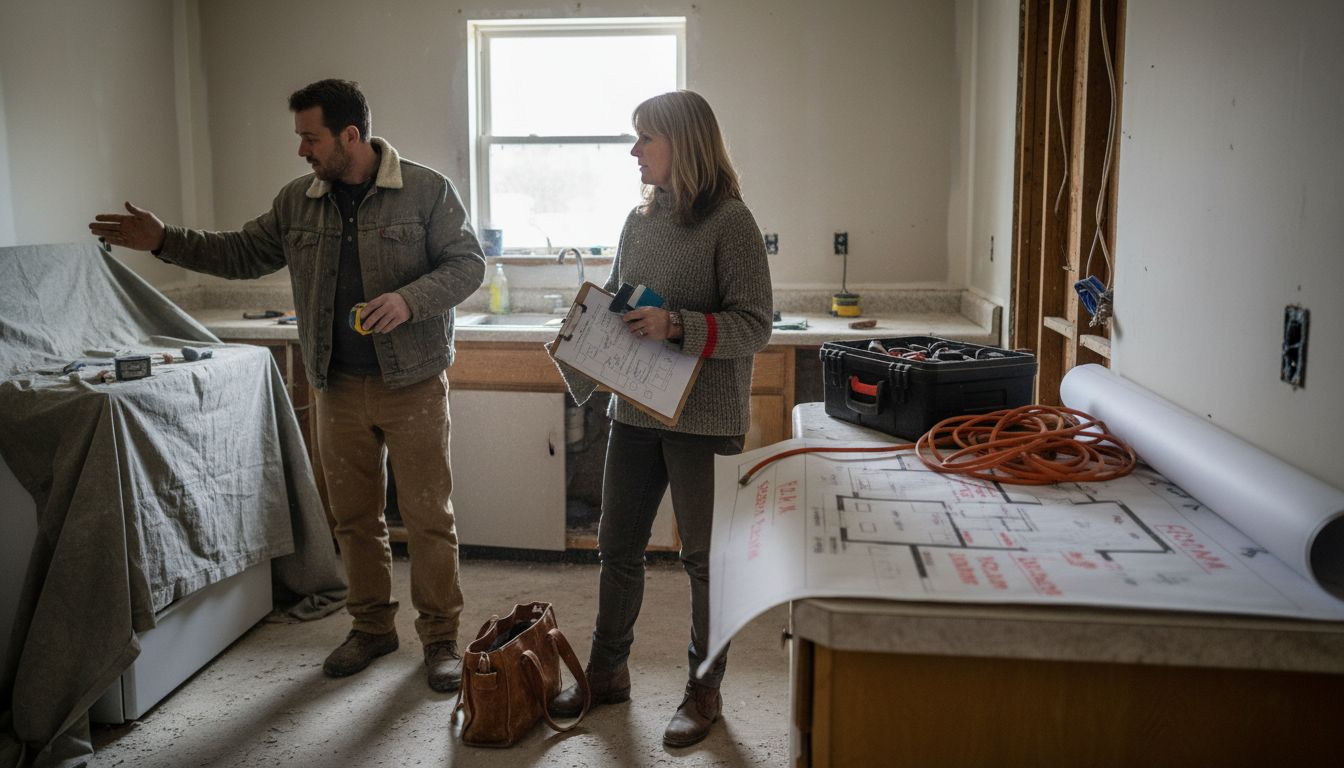
Kitchen remodels attract 35% of homeowners, making this space the top renovation priority nationwide. Bathrooms follow closely as the second most common focus area. Both spaces combine high daily use with strong influence on property values and buyer appeal.
| Property Type | Primary Design Focus | Secondary Priorities |
|---|---|---|
| Residential | Kitchens, bathrooms, open layouts | Energy efficiency, storage solutions |
| Commercial | Flexible workspaces, compliance | Brand expression, accessibility features |
| Mixed-use | Zoning-appropriate separation | Shared amenities, separate utilities |
Multifunctional spaces reflect changing lifestyle needs. Home offices gained importance as remote work became common. Commercial properties now emphasize adaptable layouts that accommodate evolving business models. Design that builds in flexibility protects against obsolescence.
Exterior improvements generate strong returns in Illinois markets. Curb appeal influences buyer decisions immediately. Weather-resistant materials reduce maintenance costs while enhancing durability against Midwest climate conditions. Proper exterior design also addresses moisture management critical to preventing structural damage.
Key residential focus areas:
- Kitchen layouts that improve workflow and accommodate modern appliances
- Bathroom updates emphasizing safety features like grab bars and non-slip surfaces
- Open floor plans that enhance natural light and social interaction
- Master suite renovations creating spa-like retreats
Commercial projects prioritize different elements. Code compliance takes precedence because violations create liability exposure. Accessibility features must meet ADA requirements. HVAC and electrical systems need capacity for equipment loads. These technical requirements shape design more heavily than aesthetic preferences.
Pro Tip: Request detailed estimates that break costs down by room or system, allowing strategic decisions about where to invest design resources for maximum impact on your specific goals.
Tailoring design to property characteristics ensures relevance. Historic homes need approaches that respect original features while modernizing systems. New construction allows more freedom but requires forward-thinking design to remain appealing long-term. Review your renovation contract to ensure design scope matches your priorities.
Industry statistics for 2026 show continued emphasis on core living spaces, with growing interest in outdoor extensions and home technology integration shaping modern design decisions.
Emerging design trends impacting renovations
Contemporary design considerations extend beyond traditional aesthetics into technology and environmental responsibility. These trends influence both renovation priorities and budget allocations in meaningful ways. Illinois property owners increasingly factor sustainability and smart features into design planning.
42% of homeowners increased budgets for energy-efficient and sustainable design features, reflecting growing environmental awareness and utility cost concerns. This shift toward green building practices affects material selection, system design, and long-term operational planning.
Sustainability impacts multiple design decisions:
- Material selection favoring recycled content, local sourcing, and low-VOC products
- Water conservation through efficient fixtures and greywater systems
- Energy modeling to optimize insulation, window placement, and HVAC sizing
- Daylighting strategies that reduce artificial lighting needs
- Renewable energy integration planning for solar panels or geothermal systems
Energy efficiency generates immediate financial returns through reduced utility bills. LED lighting, high-efficiency HVAC equipment, and improved building envelope performance lower operating costs substantially. These features also increase property values as buyers recognize ongoing savings.
Smart home technologies transform how occupants interact with spaces. Integrated systems control lighting, temperature, security, and entertainment through unified interfaces. Design must accommodate wiring requirements, device placement, and future expandability. Planning these systems during renovation prevents expensive retrofitting later.
Balancing innovation with budget requires strategic choices. Not every trend fits every project or delivers proportional value. Focus on features that align with your specific usage patterns and resale market expectations. Illinois buyers may prioritize different amenities than coastal markets, affecting which investments make sense.
Pro Tip: Design electrical and network infrastructure with excess capacity to support future technology additions without requiring wall demolition, maintaining flexibility as smart home capabilities evolve rapidly.
Explore current renovation trends to understand which innovations deliver lasting value versus temporary fads. The 2026 statistics demonstrate that practical, efficiency-focused features consistently outperform purely aesthetic upgrades in owner satisfaction and resale performance.
Common design misconceptions in renovation
Misunderstandings about design lead property owners to misallocate resources and miss opportunities for better outcomes. Clarifying these misconceptions helps you make informed decisions that maximize renovation value and functionality.
Functional design yields better ROI than high-cost decorative features or purely aesthetic approaches. Yet many people still view design as synonymous with decoration, missing its technical and practical dimensions entirely.
Common myths that mislead renovation planning:
- Design only affects appearance, when it actually determines functionality, safety, and compliance
- Higher spending on finishes guarantees better results, ignoring that poor layout undermines expensive materials
- Design and construction are separate phases, missing integration benefits that reduce costs and improve quality
- Residential renovations need design more than commercial projects, when code requirements make commercial design equally critical
- Smart home features are luxury additions, despite their growing importance for resale value and daily convenience
The belief that design is optional for straightforward renovations causes problems. Even simple projects benefit from planning that considers structural implications, permit requirements, and long-term maintenance. Skipping design to save money often costs more when construction reveals issues that proper planning would have addressed.
Another misconception involves DIY design using online tools or templates. While these resources help communicate ideas, they rarely account for local codes, site-specific conditions, or construction realities. Professional design expertise prevents expensive mistakes that generic solutions cannot anticipate.
Some property owners assume that contractor experience eliminates design needs. Skilled builders certainly contribute valuable input, but they cannot replace systematic design that coordinates all building systems, ensures regulatory compliance, and optimizes space utility comprehensively.
The notion that design locks you into rigid plans discourages some people from engaging professionals. In reality, good design provides a roadmap while allowing flexibility for field adjustments. It establishes priorities and constraints that guide decisions rather than dictating every detail inflexibly.
For more clarity on design realities, explore renovation insights that separate facts from assumptions. Understanding design impact on outcomes helps you invest resources where they generate genuine returns rather than following misconceptions that waste money on superficial improvements.
Practical decision-making framework for renovation design
Successful renovation design requires balancing competing priorities within real-world constraints. A structured approach helps Illinois property owners make decisions that align with goals, budgets, and regulatory requirements while maintaining quality.
Follow this systematic process:
- Define clear objectives specifying functional needs, aesthetic preferences, budget limits, and timeline requirements
- Assess existing conditions through professional inspections that reveal structural realities, system capacities, and code compliance gaps
- Engage design and construction professionals early to integrate their expertise from initial planning through completion
- Develop priority rankings using criteria that weigh costs against benefits, compliance requirements, and usability improvements
- Maintain continuous coordination during implementation, adjusting plans as field conditions require while protecting core objectives
The priority matrix helps allocate limited resources strategically:
| Priority Level | Characteristics | Examples |
|---|---|---|
| Critical | Required for safety/compliance | Structural repairs, code upgrades, accessibility features |
| High Value | Strong ROI or daily impact | Kitchen function, bathroom safety, energy efficiency |
| Moderate | Enhances experience | Aesthetic finishes, convenience features, smart tech |
| Future Phase | Desirable but deferrable | Luxury amenities, extensive landscaping, advanced automation |
Analyzing existing conditions prevents unrealistic expectations. Hidden issues like outdated wiring, inadequate foundation, or concealed water damage affect renovation scope and cost. Professional assessments identify these factors before design becomes too detailed, allowing realistic planning.
Expert engagement timing matters significantly. Waiting until after design completion to involve contractors causes friction when construction realities conflict with plans. Early collaboration produces designs that reflect constructability, accurate costs, and practical sequencing.
Flexibility within structure characterizes effective frameworks. Core objectives remain fixed while implementation details adjust based on discoveries, market conditions, or preference evolution. This balance prevents both rigid overplanning and chaotic improvisation.
Request comprehensive estimates that detail costs by category, enabling informed trade-off decisions when budget constraints require priority adjustments. Understand your contract terms to clarify how design changes affect pricing and timeline.
Conclusion: Empowering renovation success through design
Design forms the foundation of successful renovations in Illinois, whether residential or commercial. Integrating design with skilled craftsmanship maximizes efficiency, ensures compliance, and delivers spaces that function beautifully. Informed design decisions increase property value while enhancing daily experience for occupants.
The Illinois market’s unique characteristics demand tailored approaches that address aging infrastructure, weather challenges, and local regulatory environments. Strategic focus on high-impact areas generates superior returns compared to unfocused spending. Embrace comprehensive design planning to achieve lasting renovation benefits that serve your needs for years.
Explore expert renovation services for Illinois properties
Ready to transform your property with design-integrated renovation? First Solution IL combines skilled craftsmanship with smart design to deliver residential and commercial projects that exceed expectations. Our experienced team navigates permits, compliance requirements, and value optimization throughout Illinois.
Discover how commercial interior remodeling brings professional spaces to life through strategic design. Explore remodeling examples that showcase possibilities for your home. Review our step-by-step workflow to understand how we integrate design and construction seamlessly. Contact us today to discuss your renovation vision and receive a detailed project assessment.
Frequently asked questions about renovation design
What are the key benefits of integrating design early in renovation projects?
Early design integration prevents costly mistakes by identifying structural issues, code requirements, and budget realities before construction begins. It enables accurate cost estimates and realistic timelines. Collaboration between designers and builders from the start reduces miscommunication that causes expensive rework later.
How do Illinois building codes influence renovation design choices?
Illinois codes dictate structural requirements, electrical system specifications, plumbing standards, and accessibility features that design must incorporate. Local municipalities add specific requirements for permits and inspections. Professional designers understand these regulations and create compliant plans that satisfy reviewers, preventing delays and violations.
What common mistakes should I avoid when planning renovation design?
Avoid separating design from construction planning, which creates communication gaps and integration problems. Don’t skip professional expertise to save initial costs, as this leads to expensive corrections. Never ignore building codes or assume contractors will handle compliance without explicit design specifications. Resist focusing only on aesthetics while neglecting functional layout and safety considerations.
How can smart home technologies be incorporated cost-effectively in renovations?
Prioritize infrastructure during initial construction, installing extra wiring and network capacity inexpensively while walls are open. Start with core systems like lighting and climate control that deliver immediate utility savings. Add devices gradually as budget allows rather than implementing everything at once. Choose platforms with broad compatibility to avoid technology lock-in.
What distinguishes design needs between residential and commercial renovations in Illinois?
Commercial projects emphasize code compliance, accessibility requirements, and flexible layouts that accommodate changing business needs. Residential design prioritizes comfort, personal preference, and family workflow optimization. Commercial renovations face stricter regulatory oversight and insurance considerations. Both require professional design, but commercial projects typically involve more complex building systems and safety requirements.